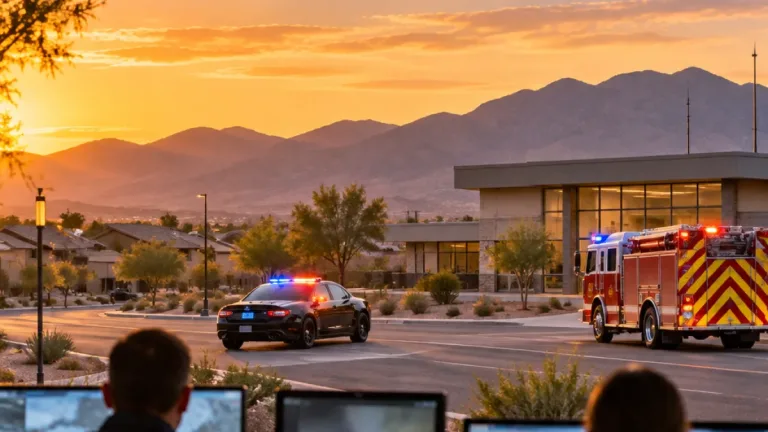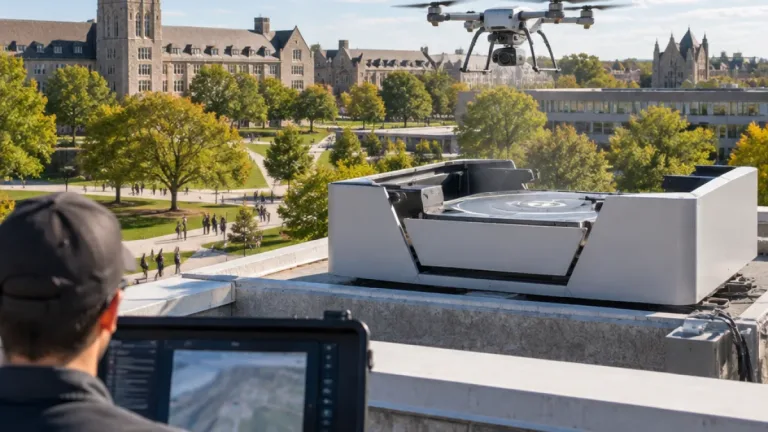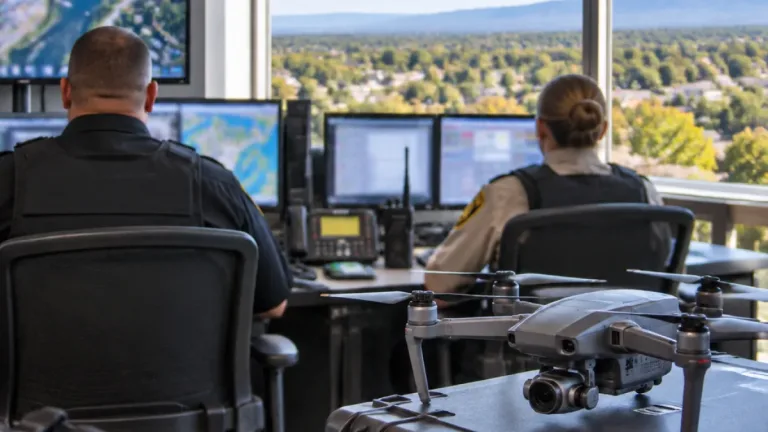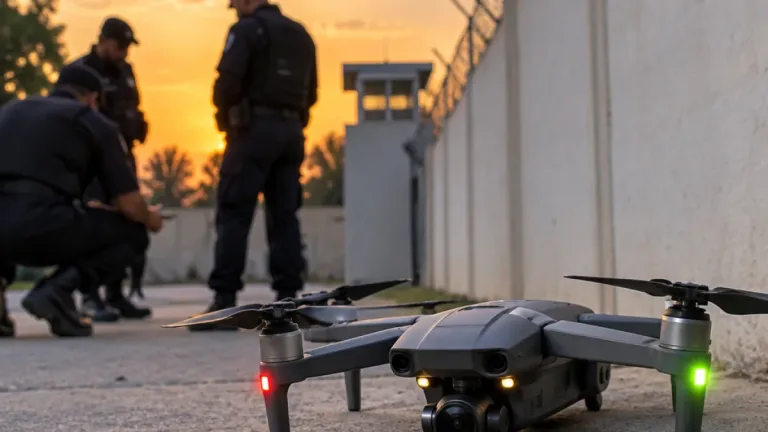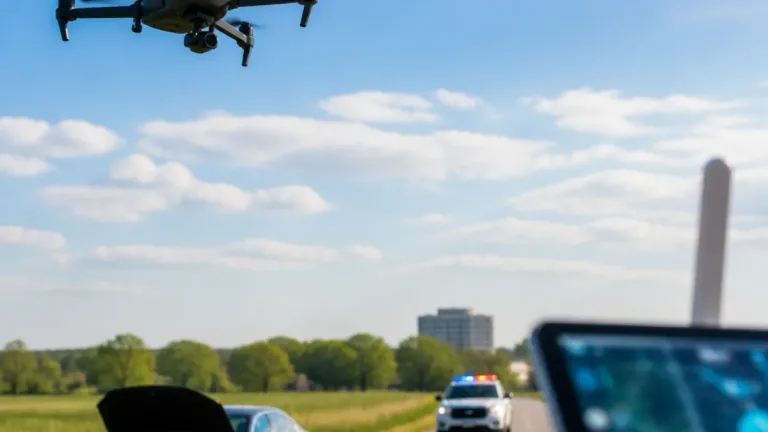
The St. Louis Board of Police Commissioners approved the orders needed to establish a new drone-as-first-responder program on November 4, 2026, clearing the way for the police department to begin a limited rollout. The St. Louis Metropolitan Police Department said test flights and responses to selected 911 calls could begin as early as Wednesday afternoon.
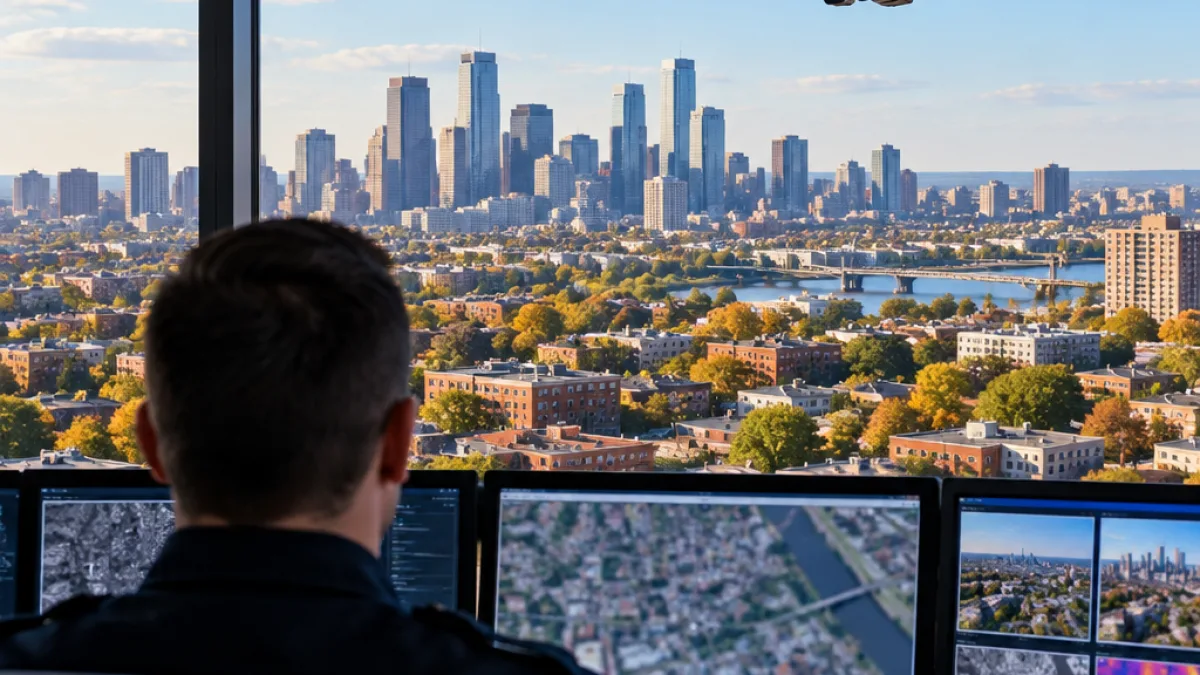
The decision adopts governing order 4-1, which the department described as the foundation for a gradual introduction of its aerial response unit. The initial deployment will cover the north and central parts of St. Louis, while police continue installing the system in the southern part of the city. Staffing, scheduling and testing will determine the pace of the rollout.
“This is an exciting and historic step forward for public safety in St. Louis.” — Chief Robert J. Tracy
What the aircraft are intended to provide
According to the department, the drones will carry a combination of sensors and communications equipment intended to give officers an early view of an emergency scene. Their capabilities will include:
- Thermal imaging for detecting heat signatures;
- Visible-light cameras;
- Emergency lighting; and
- Real-time communication capabilities.
The department said the aircraft are intended to supplement police officers rather than replace them. Their role will be to reach certain incidents and assess conditions before responding officers arrive, giving those officers additional information as they prepare to enter or manage a scene. The extracted announcement did not identify the specific categories of 911 calls that will qualify for an initial drone response.
That distinction is central to the program’s design: the drone is an information-gathering resource operating ahead of personnel on the ground, not a substitute for an officer’s physical response. The department said the aircraft could provide critical information before officers reach an incident and help support emergency decisions. The rollout will remain limited while the police department completes installation and evaluates testing and operational needs.
“The Board’s approval establishes an important framework for responsible use of this technology while allowing the Department to move forward with an innovative approach to emergency response.” — Chris Saracino, president of the Board of Police Commissioners
A phased start
The approval does not represent a citywide launch on a fixed schedule. Instead, the St. Louis Metropolitan Police Department said operations will expand in stages, with the southern portion of the city still undergoing installation. The department also said the schedule will depend on staffing, scheduling and testing, leaving the timing of broader availability subject to those conditions.
Chief Tracy framed the program as another resource for officers and the communities they serve. The Board of Police Commissioners likewise presented the governing order as a framework for responsible use, alongside authorization to move ahead with testing and selected emergency responses. For residents, the immediate change is therefore a limited aerial capability in parts of the city, rather than a full deployment across every police district.
As the program begins, its stated public-safety purpose is to provide police with earlier visual and thermal information while maintaining an officer-led response on the ground. The department’s next operational steps are the test flights, continued installation in southern St. Louis and the gradual handling of qualifying 911 calls under the newly approved orders.