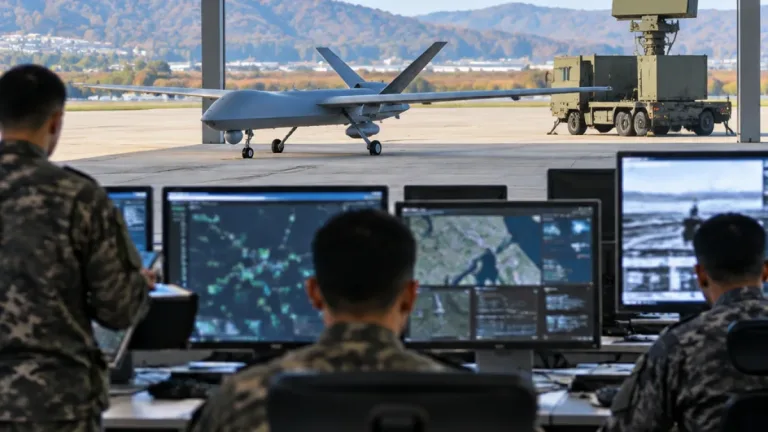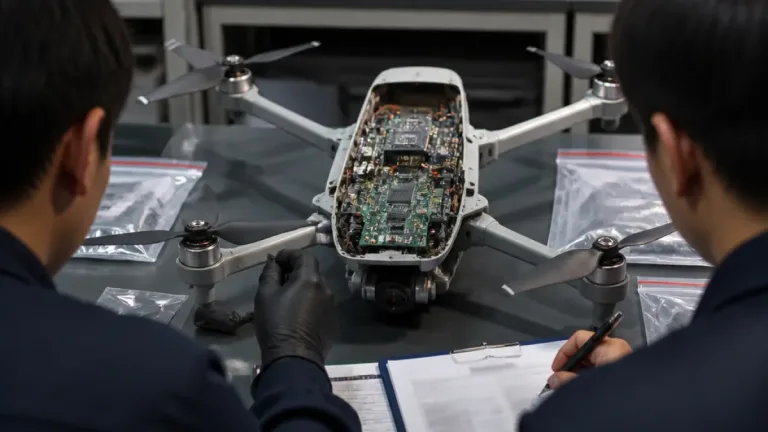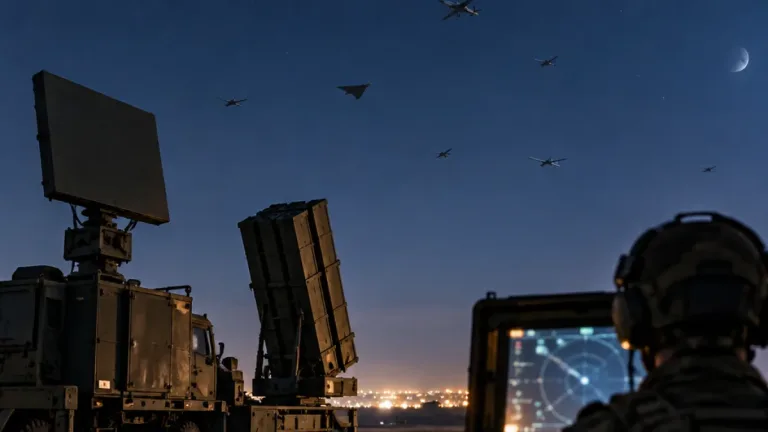
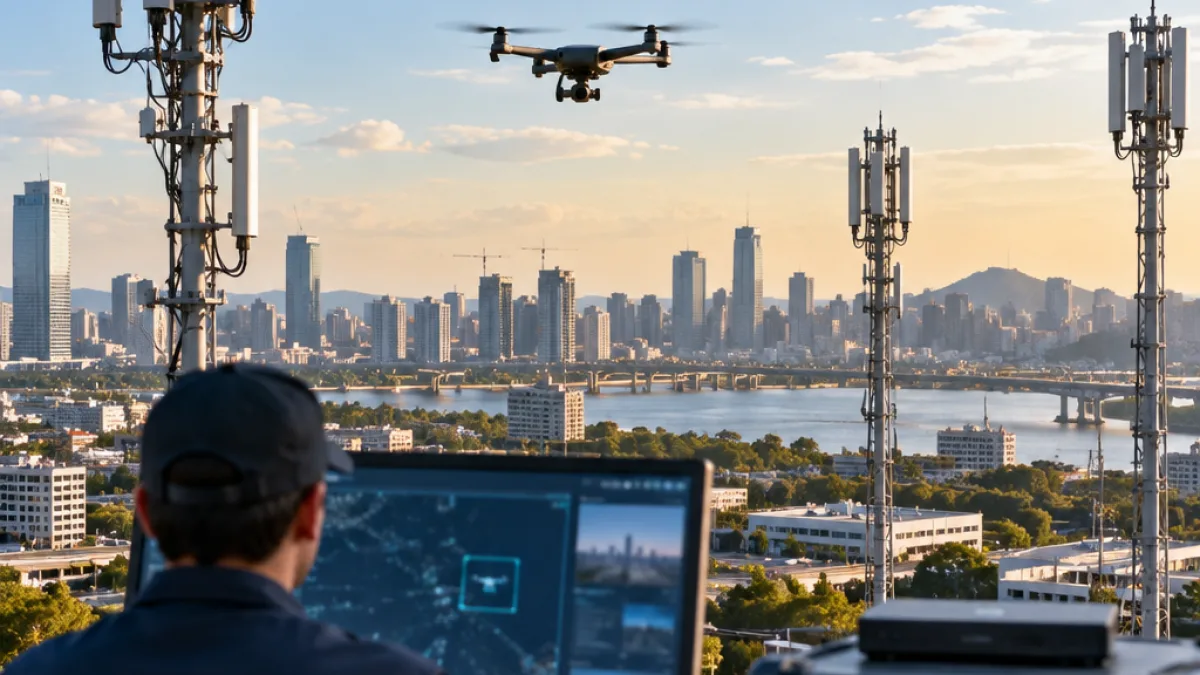
Ericsson has introduced a counter-drone system that uses mobile-network infrastructure to detect and follow low-flying aircraft, including drones that are not connected to the network. The company expects selected small-scale commercial pilots to begin in 2027, with wider deployments planned from 2028.
Called the Integrated Sensing and Communication System, the technology combines sensing-capable 5G radios with edge computing, artificial intelligence and signal processing. Ericsson says the system is intended to add another layer to radar and other detection tools rather than replace them.
“Low-flying drones create a detection coverage gap that no single sensor can effectively address. Ericsson ISAC System enables multiple 5G sites to deliver coordinated wide-area detection and continuous tracking, with data that can be integrated with traditional sensing technologies and operational systems,” said Freddie Södergren, Ericsson’s global head of Mission Critical Networks and Defense.
Using existing network infrastructure
The system analyzes radio signals reflected from objects in the air. Multiple geographically separated sites transmit and receive sensing signals, allowing the system to observe an object from different angles and maintain a track as it moves through the area covered by the network.
Ericsson said its validated tests reliably detected and tracked micro drones at distances measured in kilometers, while also producing three-dimensional positioning. The company cautioned that performance depends on factors including the target, its flight path, the placement of sensing sites, terrain, surrounding conditions and the system’s configuration.
- Initial commercial pilots: selected small-scale deployments are expected in 2027.
- Broader deployment target: Ericsson expects wider use from 2028.
- Detection approach: distributed 5G sensing is designed to supplement radar and other sensors.
- Tracked aircraft: the system is intended to include drones that are not connected to the mobile network.
Defense and infrastructure applications
Ericsson said tracking data and AI-based classifications can be shared securely with authorized external systems, including security platforms and command-and-control systems. The company’s initial commercial pilots will provide sensing only. Integrated communications capabilities are expected to be added as the technology develops toward 6G.
The approach is aimed at organizations that already operate communications infrastructure across large areas, including defense and critical-infrastructure operators. Its proposed advantage is the use of existing towers, backhaul and spectrum instead of creating an entirely separate detection network. That infrastructure-based model could also allow detection data to be combined with information from conventional sensors and operational systems.
Carl Lundqvist, chief architect at Swedish Armed Forces Headquarters, said that detecting small drones over wide areas is an expanding operational challenge. He described distributed infrastructure as a possible additional source of situational awareness alongside existing sensors. Ericsson has not announced specific pilot customers, locations or commercial pricing.