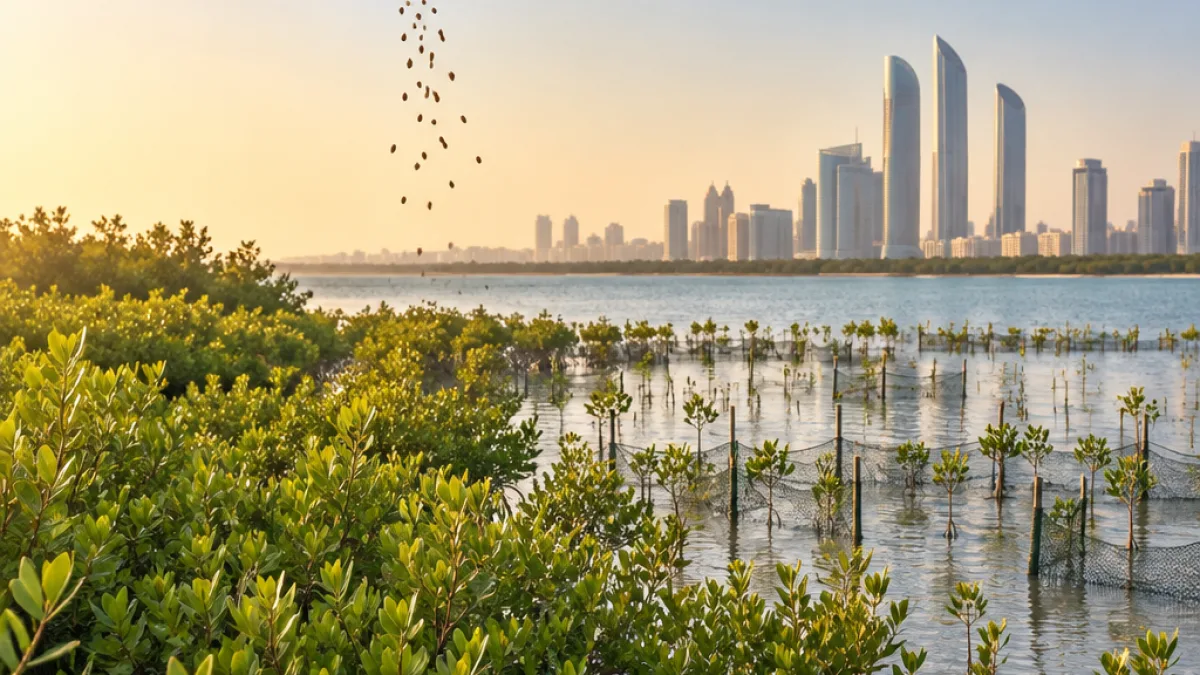
Abu Dhabi’s mangrove restoration program is using drones to distribute seeds and study the conditions needed to rebuild degraded coastal forests. The work is part of the Abu Dhabi Mangrove Initiative (ADMI), which describes its approach as “science-based restoration” supported by data, scientific mapping and monitoring.
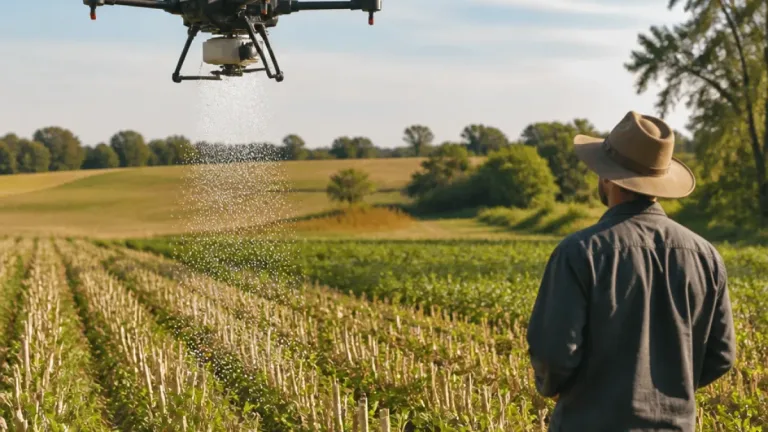
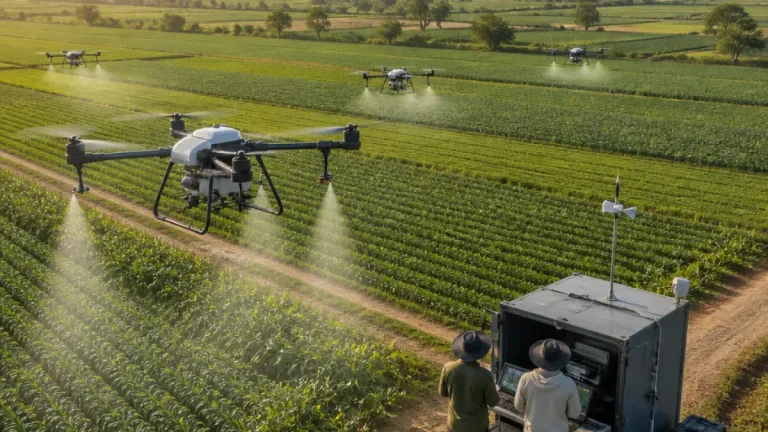
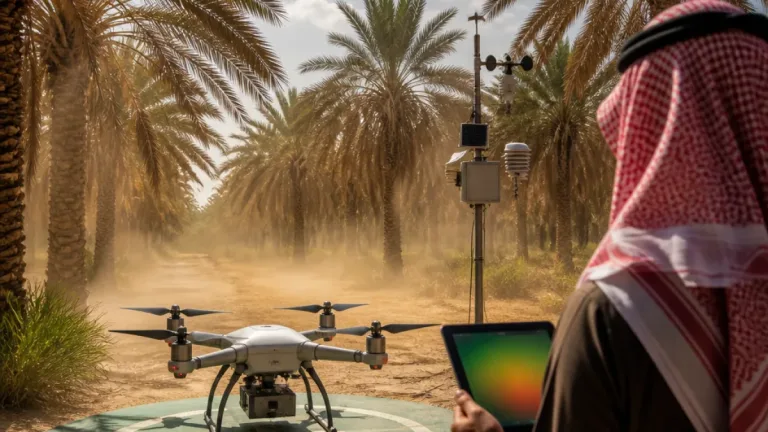
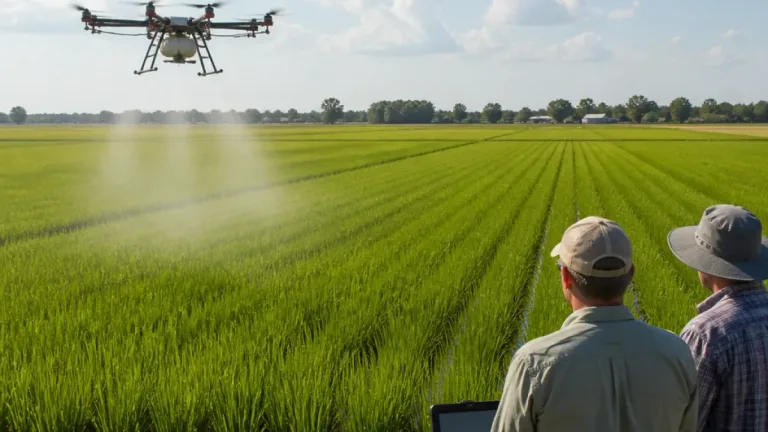
In 2023, ADMI distributed more than 6 million mangrove seeds across Abu Dhabi with specially adapted drones. The program is also studying water conditions in areas where restoration is being considered. The use of aircraft allows the initiative to cover coastal areas while limiting the need for people to move through intertidal environments, according to the account reported by CNN.
Aerial deployment alongside field research
The drone operation is one part of a broader restoration effort rather than a stand-alone technology project. ADMI is combining seed distribution with research intended to determine where mangroves can be restored and how water conditions affect degraded forests. The initiative says its custom-built drones reduce disruption associated with restoration work, although the extracted account does not provide further technical specifications for the aircraft or the seed-delivery system.
“From a climate perspective, I would say that mangroves are heroes.” — Dr. Amna Almansoori
Mangroves grow in intertidal zones, where their roots and leaves must tolerate saltwater, low-oxygen mud and changing tides. Their ecological role extends beyond the trees themselves: the forests provide habitat for wildlife, their fallen leaves support food webs, and their roots help stabilize sediment. Mangroves also buffer coastal communities against storms and flooding and can store more than four times as much carbon dioxide as the average terrestrial forest.
Abu Dhabi’s restoration record
Mangrove conservation became a priority in Abu Dhabi in the late 1960s, before the emirate’s oil boom and a period of rapid urbanization. Coastal development had reduced mangrove cover across the United Arab Emirates, while restoration and planting programs initiated under Sheikh Zayed bin Sultan Al Nahyan helped establish Abu Dhabi as a center for mangrove conservation.
| Program measure | Figure |
|---|---|
| Increase in Abu Dhabi mangrove cover, 1987–2022 | 92% |
| Mangrove area cited by Dr. Amna Almansoori | 3,000 hectares to 17,600 hectares |
| Seeds distributed by adapted drones in 2023 | More than 6 million |
| UAE planting goal by 2030 | 100 million mangrove trees |
The figures place the drone deployment within a long-running land and coastal management strategy. Abu Dhabi’s mangrove cover increased by 92% between 1987 and 2022, while the UAE is working toward planting 100 million mangrove trees by 2030. Almansoori said the area had grown from 3,000 hectares to 17,600 hectares.
- Seed distribution: ADMI used adapted drones to spread more than 6 million seeds in 2023.
- Monitoring: The initiative uses scientific mapping and data to guide restoration.
- Research: A separate project is examining water conditions in degraded mangrove areas.
The program reflects a broader use of unmanned aircraft in environmental work: not just aerial imaging, but the direct deployment of biological material across difficult terrain. In Abu Dhabi, that operation is being paired with ecological research and long-term monitoring as the emirate pursues its 2030 planting target.