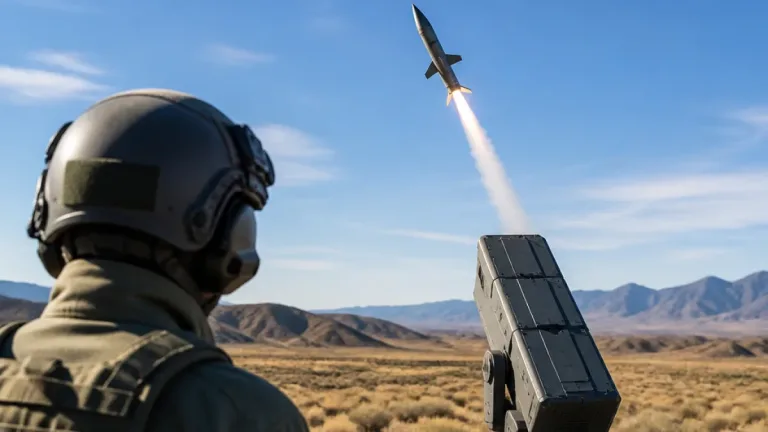
Combat drones are becoming harder to stop with defenses focused on communications or navigation links, according to Taras Bublyk, head of Ukrainian defense company Unwave. In an interview with Ukrinform, Bublyk said some aircraft can continue their missions after losing contact with an operator or navigation systems.
LIGA.net reported the comments on October 31, 2026, describing Unwave as a developer of counter-drone systems. The claims concern the changing behavior of military unmanned aircraft, rather than a specific strike or battlefield incident. No independent assessment of the systems discussed by Bublyk was included in the report.
“We must shift from combating a single frequency to detecting and analyzing the entire network architecture,” Taras Bublyk said, according to Ukrinform.
Why signal disruption is becoming less decisive
Bublyk said drone designers are combining greater autonomy with alternative ways to navigate and communicate. He also identified fiber-optic drones, which do not depend on radio links, and mesh networks as particular challenges for electronic-warfare systems. In his description, a network can preserve multiple routes for data, meaning that disrupting one element may not end a mission.
Those assertions point to a broader shift in counter-UAS operations. A defense that relies on one method of interference may be less effective when an unmanned aircraft can continue using onboard autonomy or another connection. Bublyk said the response should focus on identifying the wider system around a drone, not only on attempting to break one link.
- Unwave’s assessment: some combat drones may continue operating after communications or navigation signals are lost.
- Systems identified as challenges: fiber-optic drones, alternative navigation methods and mesh-networked aircraft or repeaters.
- Recommended defensive approach: combine electronic intelligence with several forms of detection and automated data analysis.
A layered detection requirement
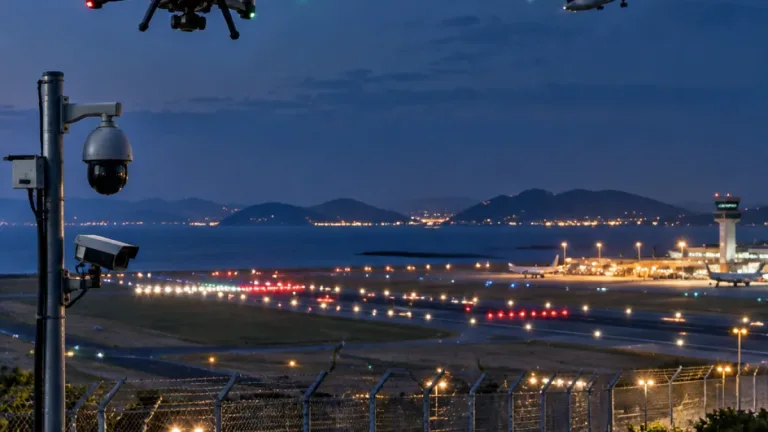
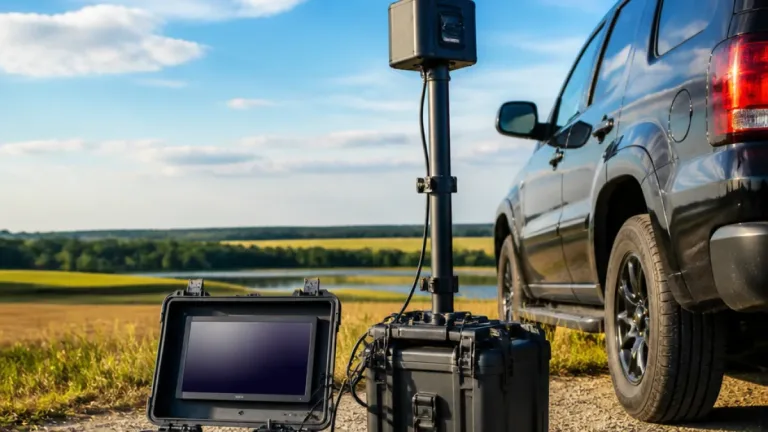
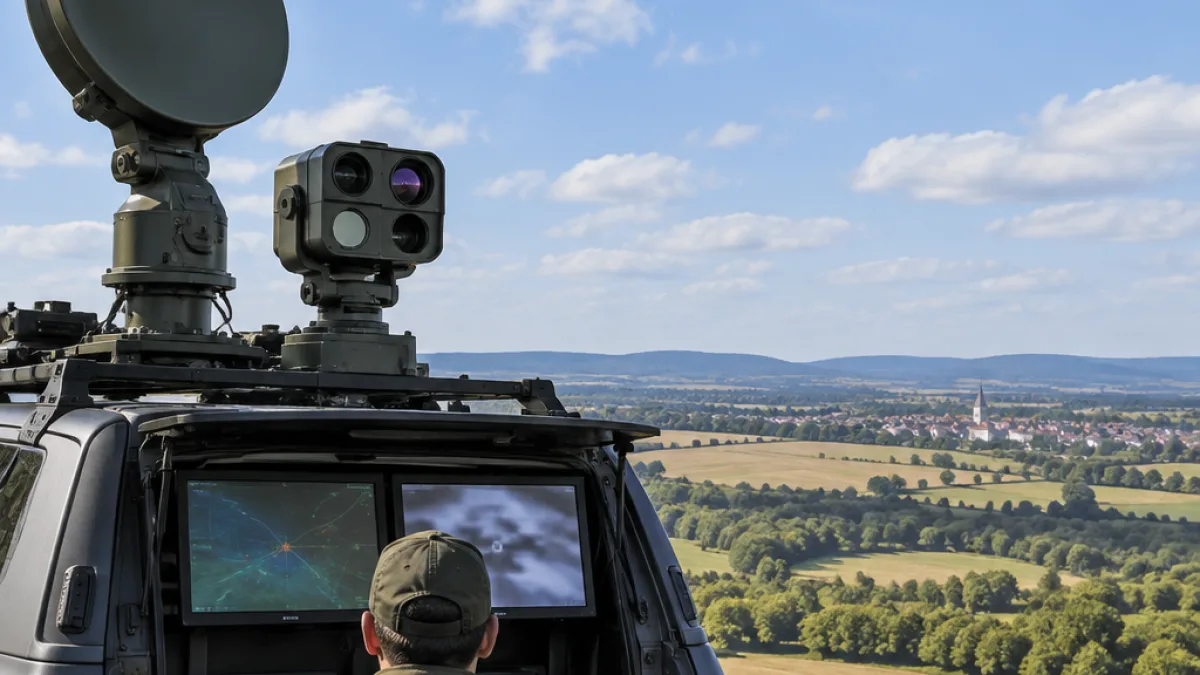
For counter-drone operators, Bublyk called for multiple sensor types to be used together. His list included electronic intelligence, radar, thermal and optical systems, and acoustic detection. He also said artificial intelligence could help process information more quickly and support decisions about how a threat should be addressed.
The remarks were made by an executive at a company that develops counter-drone equipment, so they represent Unwave’s assessment of the threat environment rather than a government finding. LIGA.net also noted that the report was translated by machine from Ukrainian and may contain errors. That qualification is relevant when interpreting technical terminology and the precise scope of Bublyk’s claims.
Unwave has previously been associated with an agreement involving a Canadian company for anti-drone-system production, and its electronic-warfare systems have been tested at a U.S. military base, according to LIGA.net’s related coverage. The report did not provide details of those tests, identify the U.S. facility, or establish that any particular Unwave system had defeated the autonomous capabilities described by Bublyk.
The central issue for military and public-safety counter-UAS programs is therefore not a single product or a confirmed operational result. It is the need to distinguish between an isolated aircraft and the wider combination of sensors, links, navigation methods and supporting systems that may allow an unmanned aircraft to keep functioning after conventional disruption measures are applied.