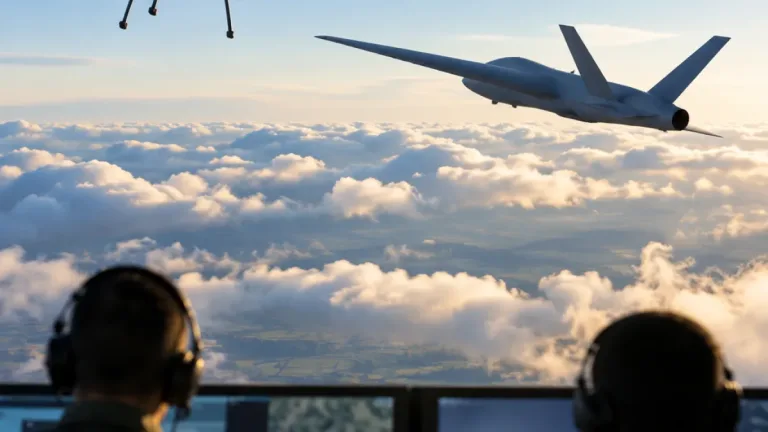
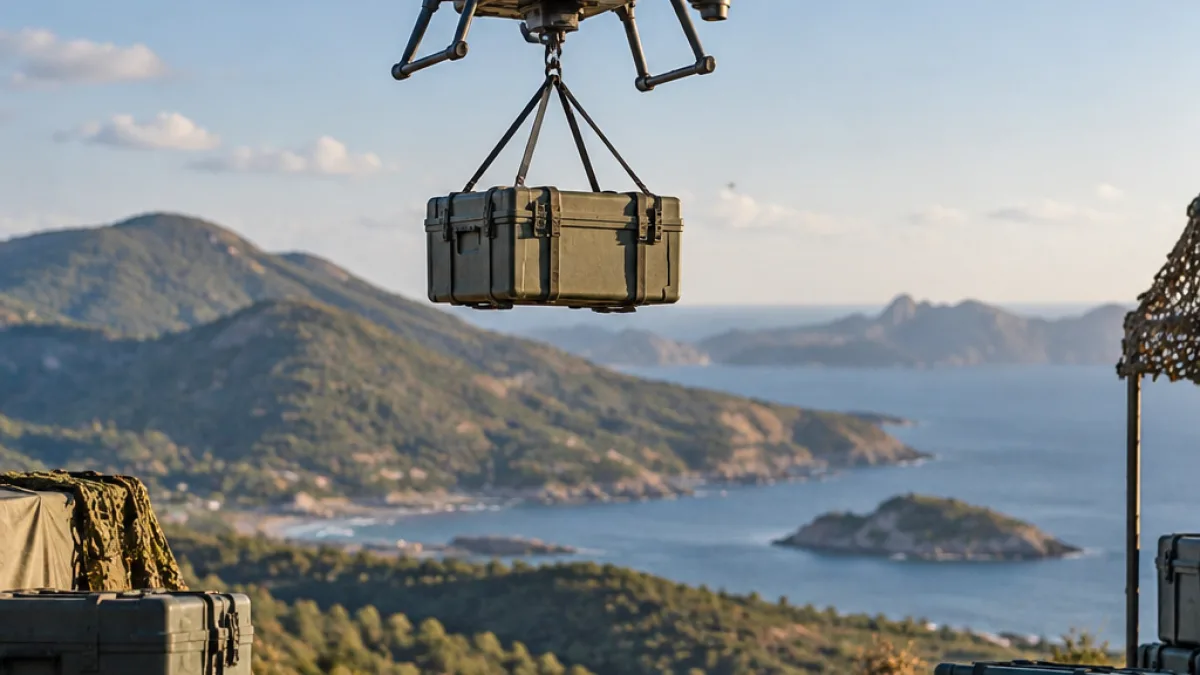
The U.S. Navy is inviting companies to demonstrate cargo drones for the U.S. Marine Corps' Tactical Resupply Unmanned Aircraft System Increment II, or TRUAS Increment II, in Huntsville, Alabama. The planned demonstration is scheduled to run from January 25 through February 5, 2027, and companies must submit applications by November 30, 2026.
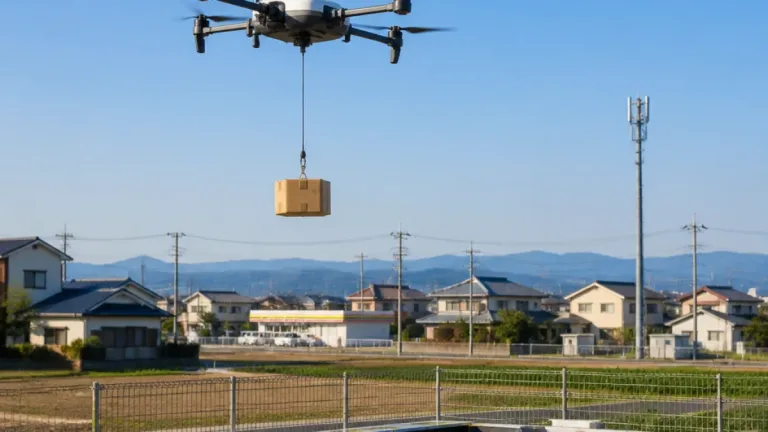
The requirement is centered on transporting supplies to dispersed Marine Corps units without relying on a crewed aircraft for the resupply flight. Candidate aircraft must carry 100 pounds to a point 40 nautical miles away, release the load, and return to the launch location without refueling. The notice also calls for a second flight carrying at least 150 pounds over 10 nautical miles before returning empty.
Demonstration flights will test autonomous resupply
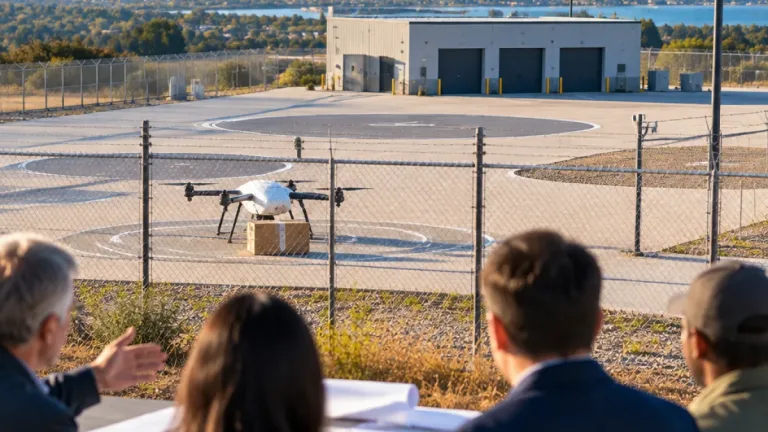
Each selected company must show its ground setup, flight preparation and refueling procedures before beginning the flight series. The government says a participant may be required to complete as many as five autonomous sorties. The first required sortie is the principal range-and-payload test: the aircraft must transport the 100-pound load 40 nautical miles, release it, fly back the same distance without cargo and land at its launch point.
| Requirement | Demonstration condition |
|---|---|
| Primary payload and range | 100 pounds over 40 nautical miles and back |
| Secondary payload and range | At least 150 pounds over 10 nautical miles and back empty |
| Flight operation | Autonomous sorties without refueling |
| Cruise speed | At least 50 knots |
| Operating altitude | Below 1,000 feet above ground |
The aircraft must cruise at no less than 50 knots and remain below 1,000 feet above ground. It must launch and recover without a catapult, net or arresting cable, and must carry a transponder with at least Mode 3/C capability. The Navy may permit up to three additional flights for companies seeking to demonstrate other aircraft features.
Potential prototype agreements could follow
The notice was posted October 30 through the Air Warfare program office at Naval Air Station Patuxent River, Maryland, by the Navy's Direct Reporting Portfolio Manager for Robotic and Autonomous Systems. It does not specify a contract value or a planned production quantity. The government may award no agreements, one agreement or several agreements after the demonstration.
Companies that perform well may receive an other transaction prototype agreement under 10 U.S.C. § 4022. A successfully completed prototype could then lead to a follow-on production agreement without another competition. That language establishes a possible procurement route, rather than a commitment to buy a particular aircraft or number of systems.
- Applications to participate are due November 30, 2026.
- The demonstration is scheduled for January 25 through February 5, 2027, in Huntsville.
- The notice gives no dollar value or planned quantity for potential agreements.
The TRUAS Increment II demonstration therefore places the burden on entrants to show both useful cargo capacity and repeatable autonomous operations under a defined military resupply profile. The Navy's terms also require conventional airspace identification through the transponder requirement and impose limits on altitude, speed and launch-and-recovery equipment. Any subsequent production decision would depend on the results of the prototype process and the agreements the government ultimately chooses to award.