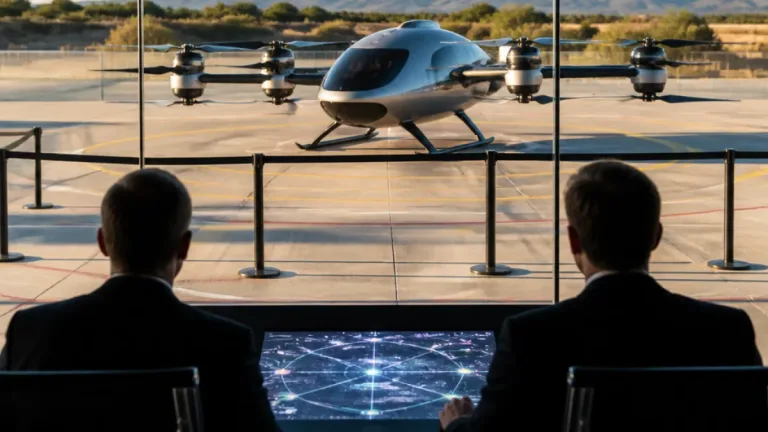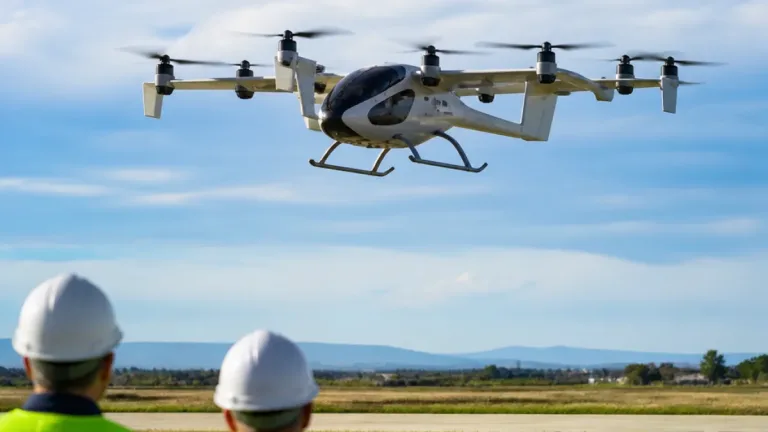
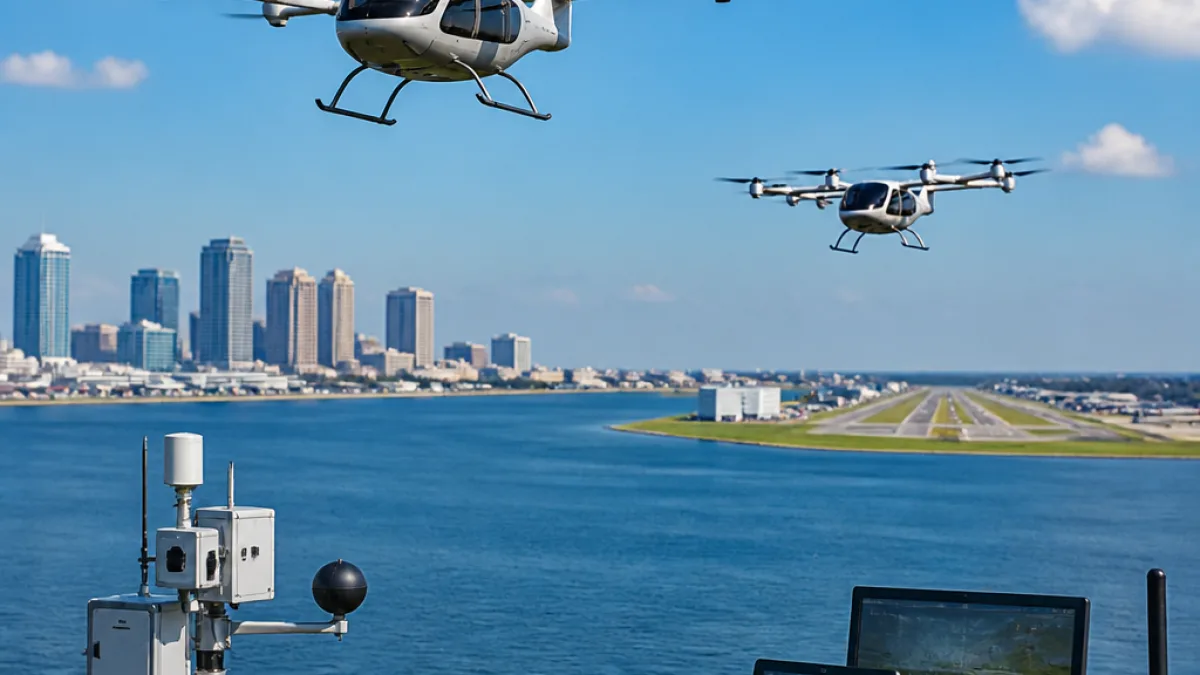
Two electric aircraft crossed Tampa Bay on Friday, October 30, 2026, in a demonstration organized by the Florida Department of Transportation and federal partners. The flights followed the route flown by aviator Tony Jannus in 1914 between Albert Whitted Airport in St. Petersburg and Tampa International Airport.
The event opened Florida’s “Future of Flight Series,” which is part of the Federal Aviation Administration’s eVTOL and Advanced Air Mobility Integration Pilot Program. The demonstration involved Joby Aviation and BETA Technologies, along with local airport authorities, municipal partners and university researchers.
Unlike a commercial passenger service, Friday’s operation was conducted to gather information for the development of future operations. The participating organizations collected acoustic and airspace data that federal regulators can use while working on safety rules, vertiport standards and operating guidelines for commercial air taxi networks.
A test of airports and airspace
The aircraft departed from Albert Whitted Airport, crossed the bay in formation and landed at Signature Aviation at Tampa International Airport. Spectators watched the aircraft follow the same general route as the St. Petersburg-Tampa Airboat Line, which began operating more than a century ago.
Florida transportation planners also intend to use information from the demonstrations in planning the Florida Aerial Highway Network. The proposed network would consist of designated low-altitude air corridors running alongside heavily traveled highways, including Interstate 4. The extracted announcement describes the network as a proposal, not an operational airspace structure.
- Departure: Albert Whitted Airport in St. Petersburg
- Arrival: Signature Aviation at Tampa International Airport
- Participants: Joby Aviation, BETA Technologies, airport authorities, municipal partners and university researchers
- Program: FAA eVTOL and Advanced Air Mobility Integration Pilot Program
“This morning, history was made in Tampa Bay with Florida’s first Advanced Air Mobility electric aircraft demonstration flights.” — Ron DeSantis, governor of Florida
The route’s historical significance was central to the event, but the operational objective was contemporary: to examine how electric aircraft could function within existing airport and airspace environments. Data gathered during the series is intended to support decisions about the infrastructure and procedures needed before broader commercial operations can be considered.
From demonstration to regulation
Florida Department of Transportation Secretary Jared W. Perdue said the state’s work is focused on using the flight series to develop an aerial transportation framework. The department’s plans include studying corridors that could run parallel to roads, while the federal pilot program addresses the information needed for future integration of advanced air mobility aircraft.
The flights therefore mark a demonstration milestone, not the start of scheduled air taxi service. No passenger fares, booking arrangements or commercial launch date were announced in the extracted report. The operation also does not establish the proposed aerial corridors as available routes for routine eVTOL flights.
For Joby Aviation and BETA Technologies, participation places their aircraft in a public demonstration involving two airports and a state-led program with federal involvement. For regulators and infrastructure operators, the event provides a setting to examine the interaction between electric aircraft, airport facilities and the airspace procedures that future services would require.