Florida transportation officials appear to have narrowed an earlier proposal to use federal electric-vehicle infrastructure funding for electric vertical takeoff and landing aircraft, while leaving open the possibility that some charging sites could support aviation. The change concerns $197 million awarded to the state through the National Electric Vehicle Infrastructure program.
Documents obtained by the Miami Herald show that a September 2026 report from the Florida Department of Transportation used more limited language than an earlier plan. Rather than emphasizing electric helicopter-style vehicles as an alternative to “everyday vehicles,” the report says most of the money will support conventional transportation, described in the document as surface passenger vehicles.
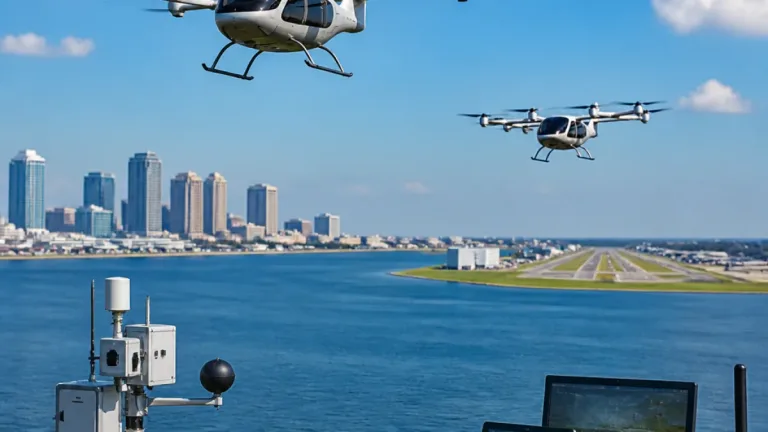
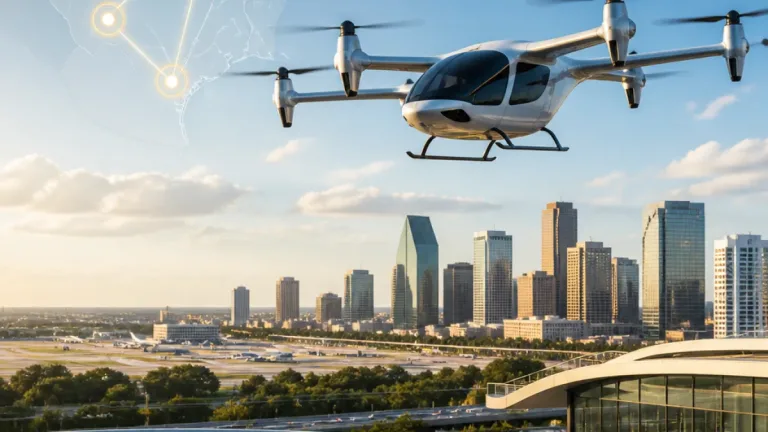
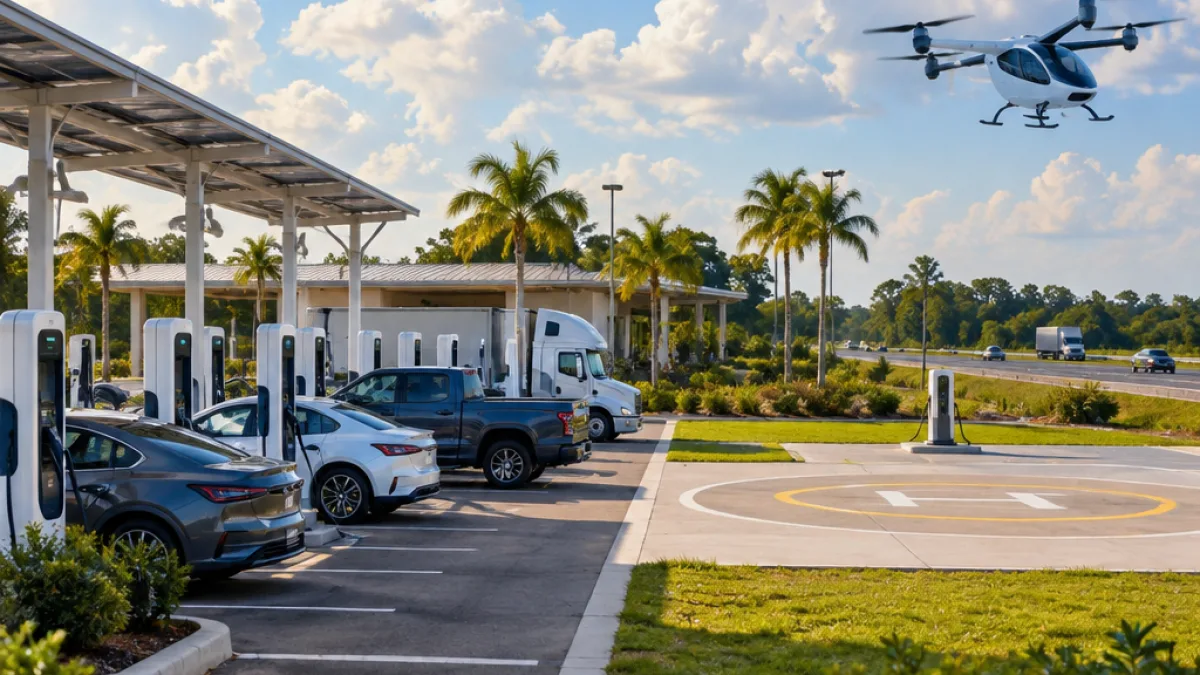
The revised wording does not completely remove eVTOL aircraft from the infrastructure discussion. It says charging facilities built with NEVI funds could accommodate aviation users when sites are located together in a practical way. FDOT did not respond to the Miami Herald’s questions about the precise allocation of the money or the facilities the state intends to construct.
“NEVI-funded charging infrastructure will primarily serve surface passenger vehicles including cars and trucks, but may also include additional value by supporting other uses, such as aviation users like electric vertical takeoff and landing (eVTOL) aircraft, where co-location is feasible,” the Florida Department of Transportation report says.
What the revised plan says
- Primary users: cars and trucks, identified by FDOT as surface passenger vehicles.
- Potential additional users: eVTOL aircraft at locations where aviation and ground-vehicle infrastructure can be colocated.
- Funding at issue: $197 million in National Electric Vehicle Infrastructure money.
Electric transportation advocates praised the shift toward a broader charging network. Ali DySard, Florida manager for the Environmental Defense Fund, said the approach would serve more residents than a plan focused mainly on short-range aircraft carrying two to six passengers. The organization also pointed to higher fuel costs and demand for used electric vehicles in arguing for expanded access to conventional vehicle charging.
“There’s no better time for Florida to move this plan forward. With rising gas and diesel prices - diesel up nearly 70% from a year ago - and the growing demand for used electric vehicles, FDOT’s commitment to expanding reliable charging access for surface passenger vehicles is a smart investment in affordability and energy independence,” Ali DySard said in a statement.
Florida’s handling of the funds has already drawn federal scrutiny. The money was originally intended to strengthen state public charging networks for electric cars, but Florida delayed using it long enough that the federal government reclaimed about $45 million. The state later launched a website describing an “all-hands-on-deck approach” to resist what it called a “war against the American automobile.”
The latest report therefore points to a mixed infrastructure policy rather than a full withdrawal from advanced air mobility. Ground transportation is now the stated priority for the NEVI money, while the language about colocated aviation charging keeps eVTOL access possible. The documents do not establish a specific eVTOL facility, route or spending schedule.