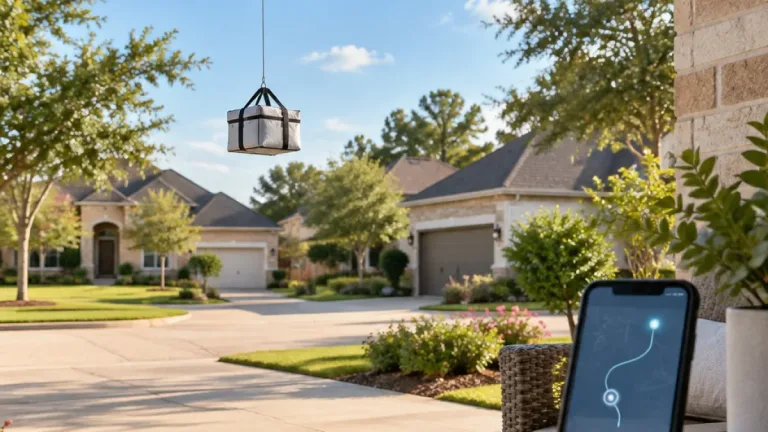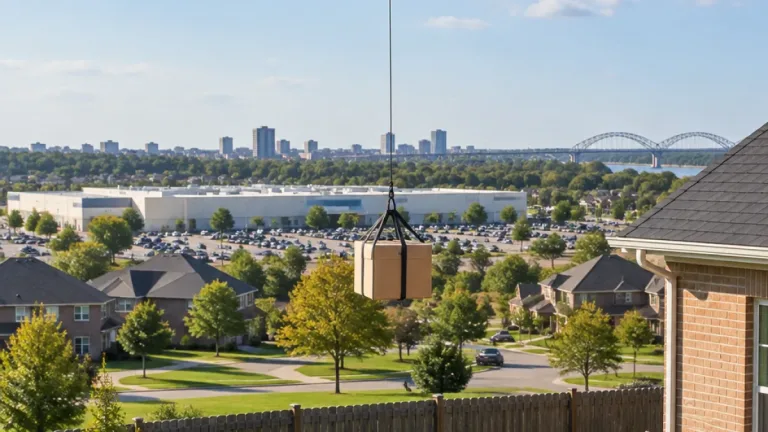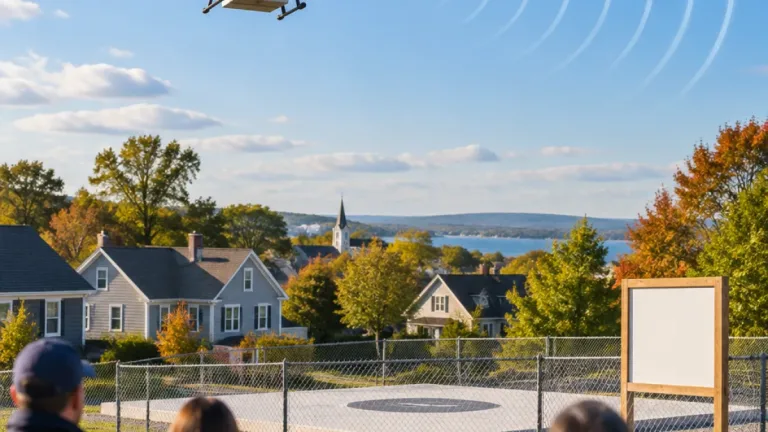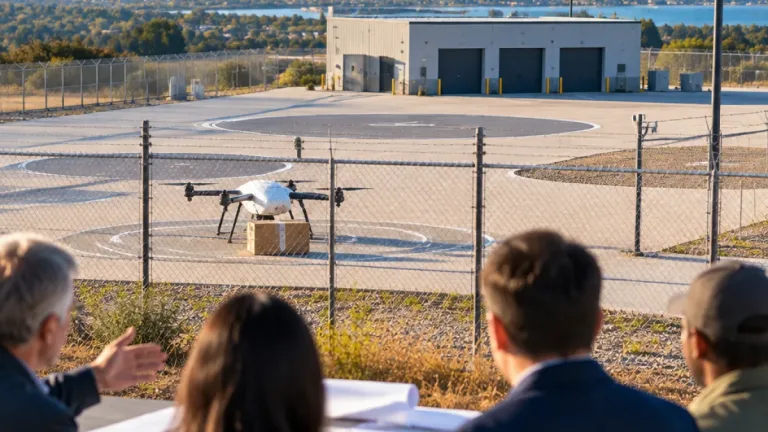

The FAA is reviewing a proposal that would allow Zipline to build a large-scale drone delivery network across the Phoenix and Tucson metropolitan areas, with a maximum capacity of up to 130,000 package deliveries per day. The plan is described in a draft environmental assessment published by the agency in November.
The assessment is part of an environmental review, not an authorization to begin operating at the proposed scale. Public comments are open through December. The figures represent the network’s maximum operating capacity; actual activity would depend on customer demand, weather and other operating conditions.
A two-market network
Under the proposal, Zipline could establish as many as 65 charging locations in each metropolitan area, together with up to 1,300 package dropboxes in Phoenix and 1,300 in Tucson. The combined network would therefore include up to 130 charging locations and 2,600 dropboxes.
The infrastructure would be placed at commercial properties, including retail stores, warehouses and other partner facilities. Zipline would have to locate those sites in areas that comply with local zoning and land-use requirements. The proposed charging and pickup locations would form the operating base for flights to customers and the return trips to the network.
| Item | Proposed maximum |
|---|---|
| Metropolitan areas | Phoenix and Tucson |
| Charging locations | 130 total |
| Package dropboxes | 2,600 total |
| Daily deliveries | 130,000 |
| Daily flight segments | 390,000 |
| Operating schedule requested | 24 hours a day, seven days a week |
Three flight segments per delivery
The FAA assessment identifies a potential total of 390,000 individual flight segments, or transits, per day across both markets. Each delivery would involve three segments: a drone traveling from a charging location to a package pickup point, flying from that point to the customer and returning to a charging location.
That accounting means the proposed transit figure is not a count of separate deliveries. It reflects the movements associated with each delivery across the network. At the maximum figures listed in the assessment, the system would be designed to support 130,000 deliveries and 390,000 flight segments in a day.
Round-the-clock operations remain a request
Zipline is seeking permission for operations 24 hours a day, seven days a week, including weekends and holidays. The company expects most flights to occur during daytime and evening hours, however. The FAA assessment says approximately 95% of flights would take place between 7:00 am and 10:00 pm, with the remaining 5% occurring outside that period.
The environmental review will consider the potential effects of expanding Zipline’s commercial delivery operations into the two Arizona metropolitan areas. The proposal also places the network’s scale in the context of local development: charging and pickup infrastructure would be distributed among commercial sites rather than described as a single operating location.
- The proposed capacity is a ceiling, not a forecast of daily demand.
- Weather, customer demand and other operating conditions would affect actual flight activity.
- Each charging and pickup site would remain subject to local zoning and land-use requirements.
The FAA’s review and public-comment process are the next identified steps for the plan. Until that process is completed and any necessary approval is granted, the proposed Phoenix and Tucson network should be treated as a capacity and infrastructure plan rather than an active 24-hour delivery system.