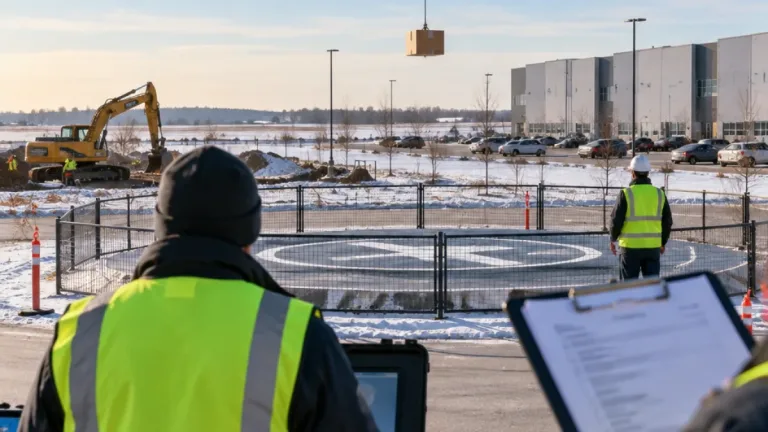
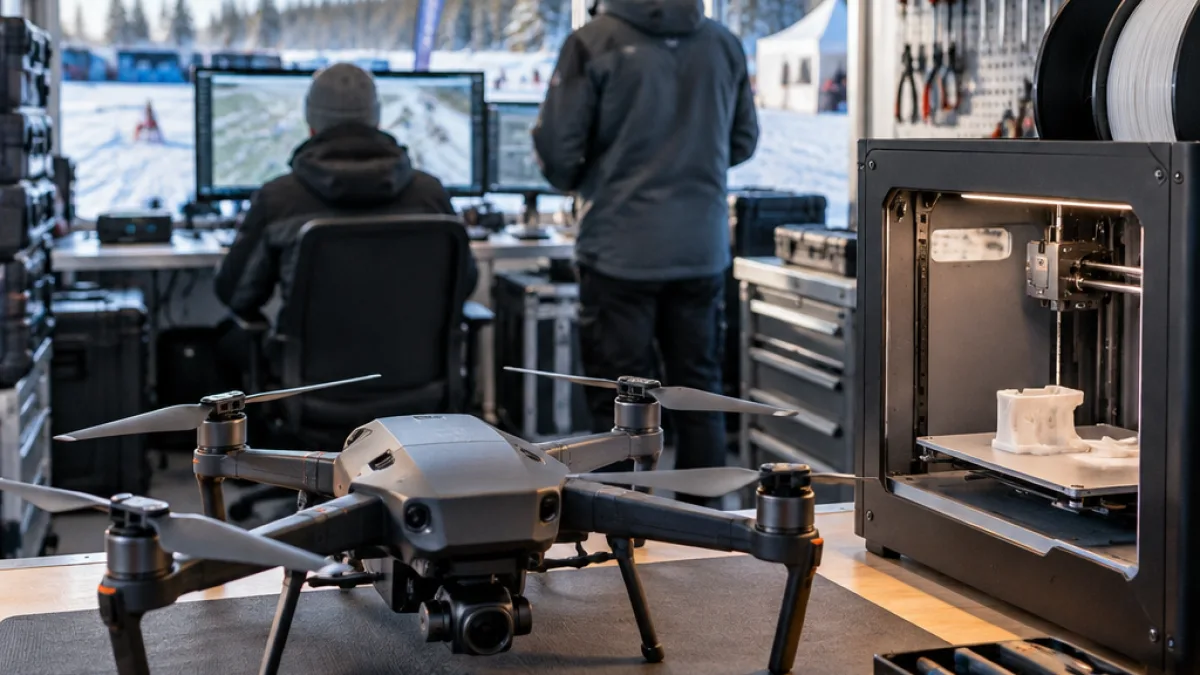
Three Finnish startups have demonstrated a mobile unit that combines drone operations with on-site manufacturing and maintenance, presenting the system at the Arctic Performance event in Jyväskylä on November 11. Design Lead Oy, Husqtec and Kolibri Defence are developing the system for operating environments where situational awareness, mission support and technical servicing must be delivered close to the work site.
The companies used the event to demonstrate drone-part manufacturing inside Global RSAM Mobile for the first time. The system is designed as a modular operating center rather than as a drone alone: it brings together equipment for managing missions, processing situational information and producing selected replacement parts in the field.
A mobile base for missions and maintenance
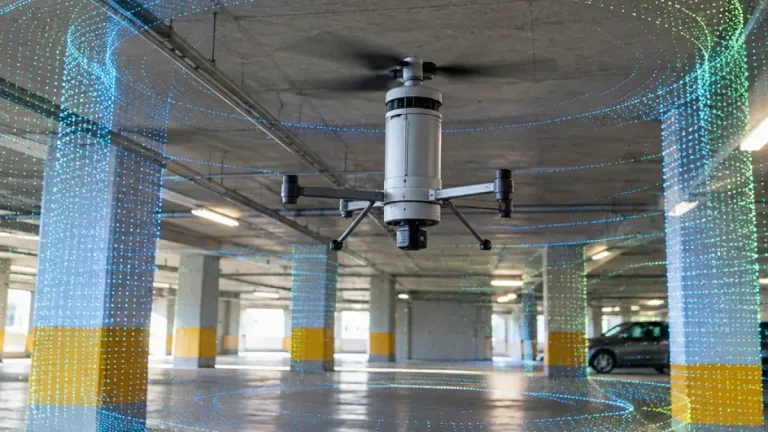
RSAM stands for Rapid Situational Awareness Module. In its mobile configuration, the unit also functions as a command center for drone activity. Depending on the aircraft and the assignment, the companies identify possible tasks including observation, thermal imaging, mapping, inspections and transport.
Kolibri Defence supplies the drone technology and model-specific information covering aircraft, software and sensors. That division of responsibilities leaves the mobile unit as an adaptable support platform: the equipment can be configured around the drone model and the operational requirement instead of relying on a single aircraft type for every mission.
- Operations: mission support and mobile command functions for drone activity
- Awareness: potential use of observation, thermal imaging and mapping payloads
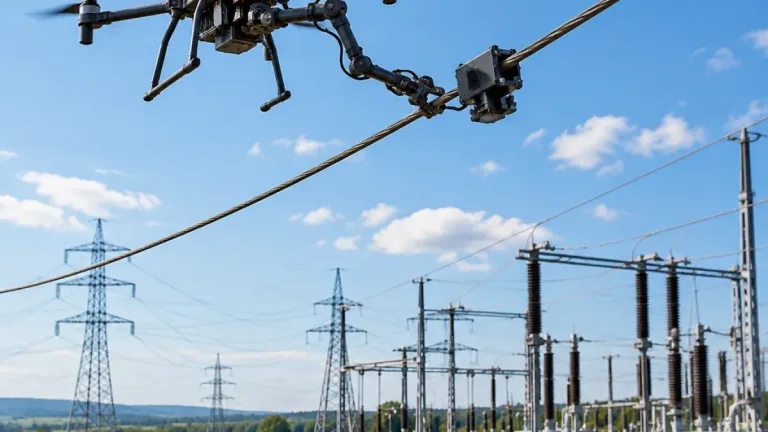
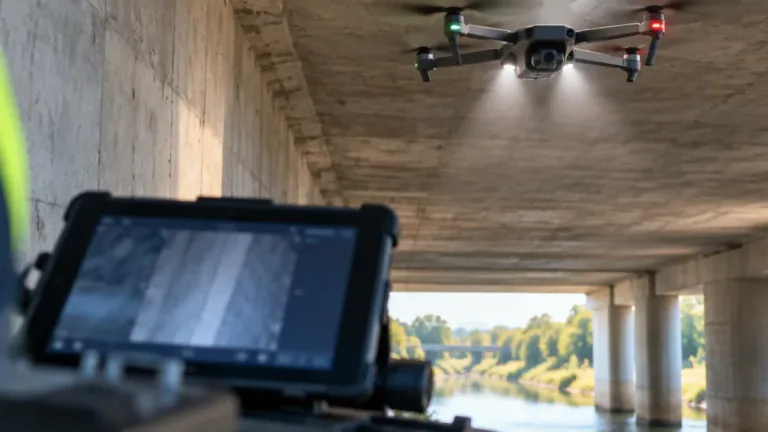
- Inspection: support for infrastructure and other inspection work
- Maintenance: production of selected structural parts, components and spare parts at the operating location
Manufacturing equipment inside the unit
Global RSAM Mobile contains a working CNC mill and two 3D printers. The mill can cut structural drone parts from Finnish Skyboard Ultra sheet material in several thicknesses, while the printers are used to produce other components and spare parts.
According to the companies, making parts at the operating location is intended to shorten repair times and reduce dependence on maintenance facilities located farther away. That approach addresses a practical constraint for drone operators: an aircraft that needs a replacement part may be unavailable even when the mission area and the rest of the support equipment remain operational. The demonstration showed the manufacturing capability in the particular RSAM Mobile unit, not a claim that the companies had created the world's first mobile drone-manufacturing system.
Applications beyond drone operations
The development team identifies defense, emergency response, ports, energy production and other critical infrastructure as potential application areas. Those environments can require a combination of aerial observation, mapping, inspection and rapid technical support, especially when access to a conventional workshop is limited or when equipment must be deployed temporarily.
The companies are planning a broader Global RSAM product family, with RSAM Mobile described as one of four planned configurations. The other configurations were not detailed in the extracted announcement. The November demonstration therefore establishes the capabilities shown in one mobile configuration while the wider product family remains under development.