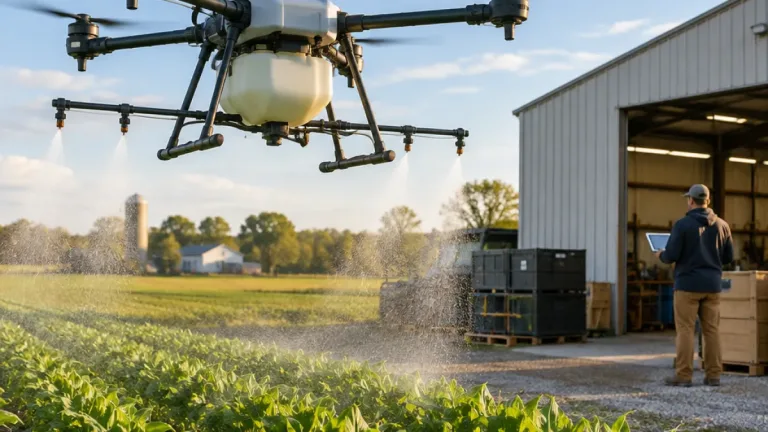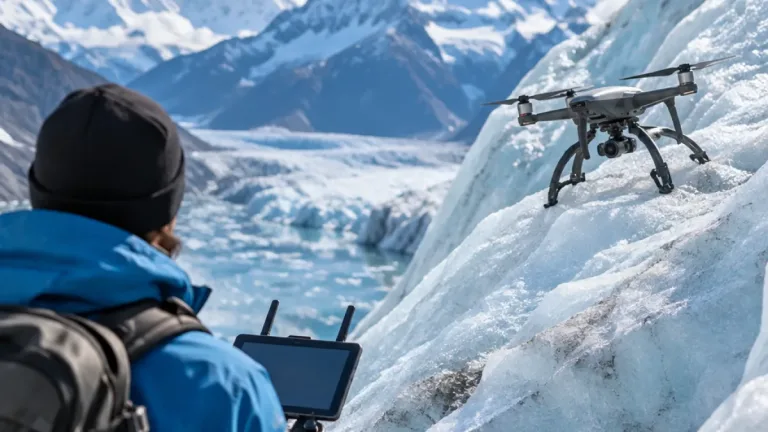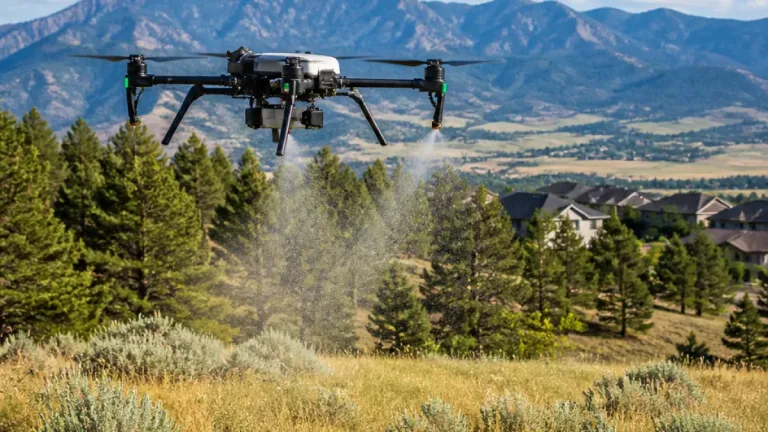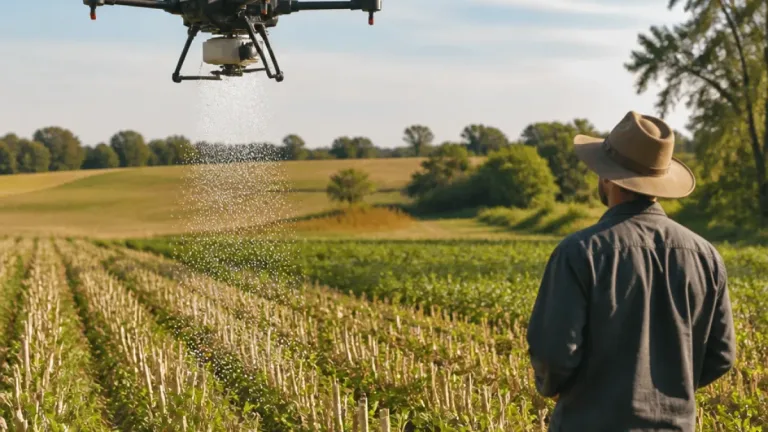
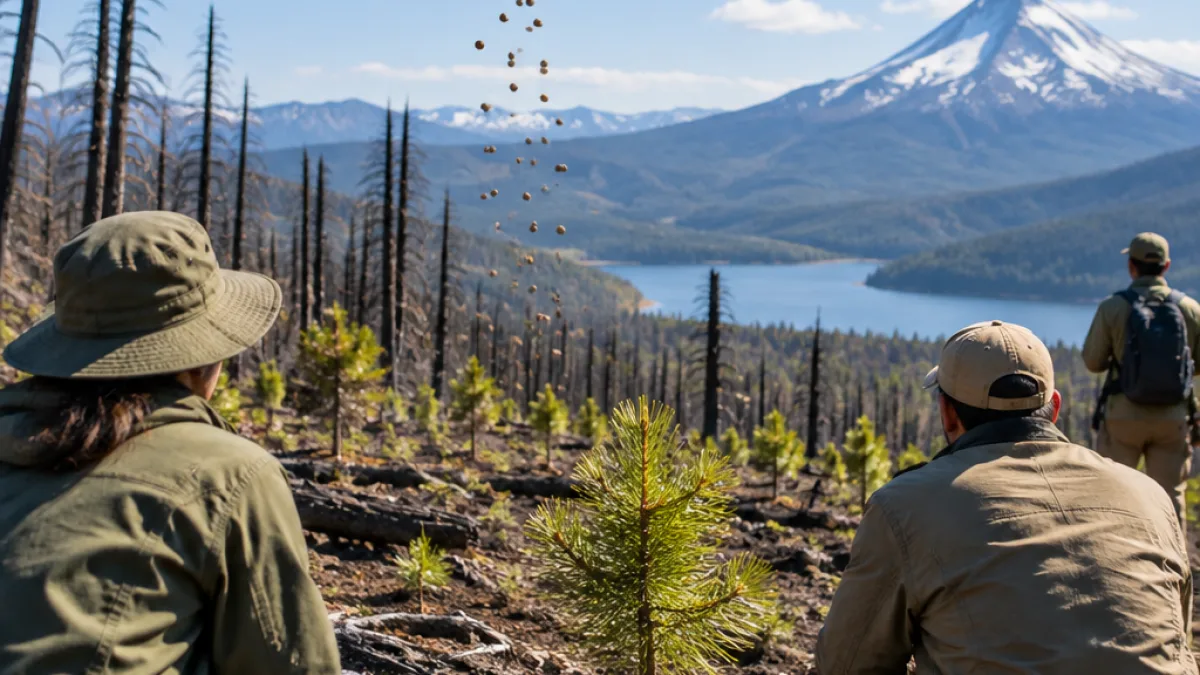
Drones have helped plant 40 hectares of fire-damaged pewen forest in Argentina’s Lanín National Park, where the National Parks Administration is testing aerial restoration methods for a native tree whose recovery can otherwise take centuries.
The operation took place between October 15 and 19 in the Ñorquinco region of Neuquén. The aerial planting was completed in a day and a half, according to Noticias Ambientales, as part of a pilot program responding to the damage caused by a 2013 fire.
A restoration effort built around native seeds
The broader project has a target of restoring 200 hectares of forest by 2027. The affected areas are home to pewen, also known as araucaria, a species that can live for more than 1,100 years. Its natural regeneration is slow, making intervention important for the return of habitat and the ecological functions associated with mature forest.
Some of the operation’s logistics remained on the ground. Park rangers and members of the Mapuche community Protectors of the Pewen transported 300 kilos of pine nuts to the planting area by horse. Drones were used to move equipment and supplies to a mountain base camp and to distribute seeds across terrain that is difficult to reach on foot.
The technology was supplied by ReForest Latam, a company focused on native-forest restoration using drones and biotechnology. The pine nuts were encapsulated with biostimulants before deployment. The process is intended to place seeds in conditions that improve their chances of germinating and establishing young plants.
Technology paired with local participation
The project combines aerial deployment with local knowledge and manual work rather than treating drones as a standalone replacement for field crews. The National Parks Administration worked with park personnel and the Mapuche community during the operation, while the aircraft handled access and coverage in mountainous areas.
- Area planted: 40 hectares
- Restoration target: 200 hectares by 2027
- Operation: October 15–19
- Seed material: 300 kilos of pine nuts transported to the site by horse
The use of drones addresses one of the central practical problems in post-fire restoration: reaching large or rugged areas where conventional planting is slow and labor-intensive. In Lanín National Park, the approach is being applied to a long-lived native species whose regeneration is particularly limited after major forest loss.
The current work is a pilot rather than a completed restoration program. Its stated purpose is to help recover habitat affected by the 2013 fire, including areas that support plant and animal species associated with pewen forest. The results of the broader effort will depend on the establishment and continued survival of the planted trees as the program moves toward its 2027 goal.