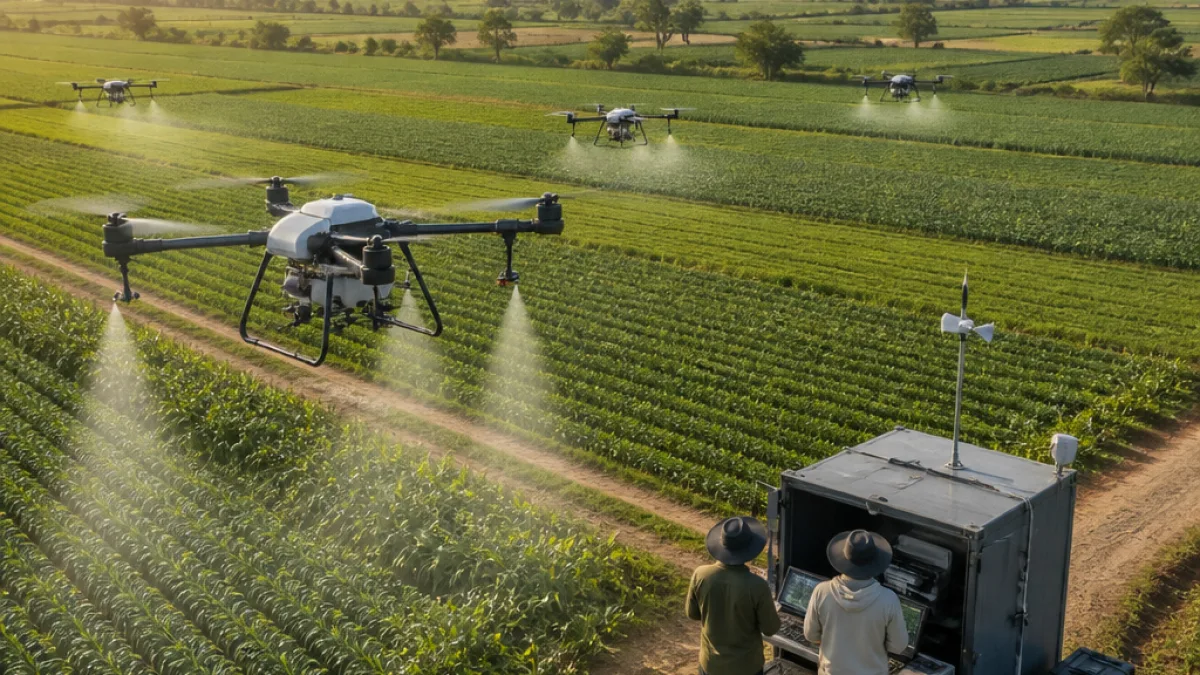
China has more than 300,000 agricultural drones in operation, making it the largest national fleet reported worldwide, according to data from China’s Ministry of Agriculture and Rural Affairs cited by ECNS on October 28. The aircraft are used across more than 30 million hectares annually, as drones move from specialized equipment to a routine tool for crop protection and other farm work.
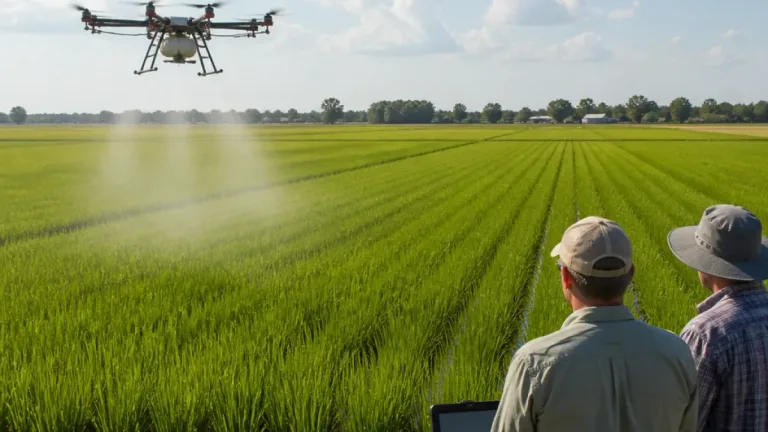
The figures point to the scale of China’s agricultural-drone sector, but they also show how adoption is being tied to labor availability and operating economics. Agricultural drones are now described as one of the country’s main methods of plant protection. The ministry data cited by ECNS says the aircraft can work at more than 20 times the efficiency of manual labor, while cutting water consumption by more than 50% and pesticide use by 20–40%.
Lower costs in rice production
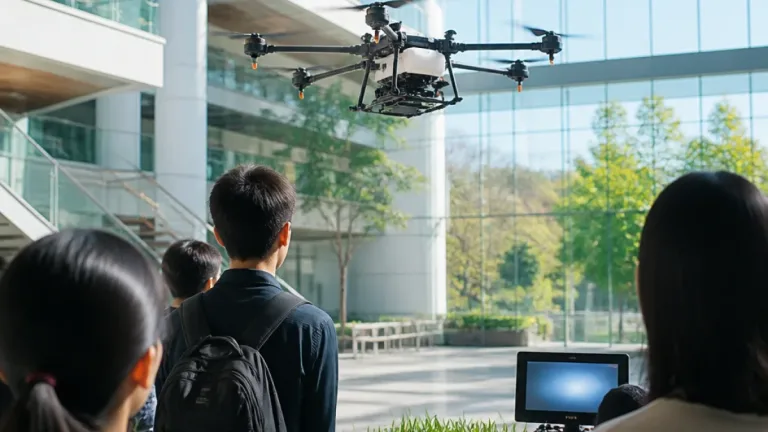
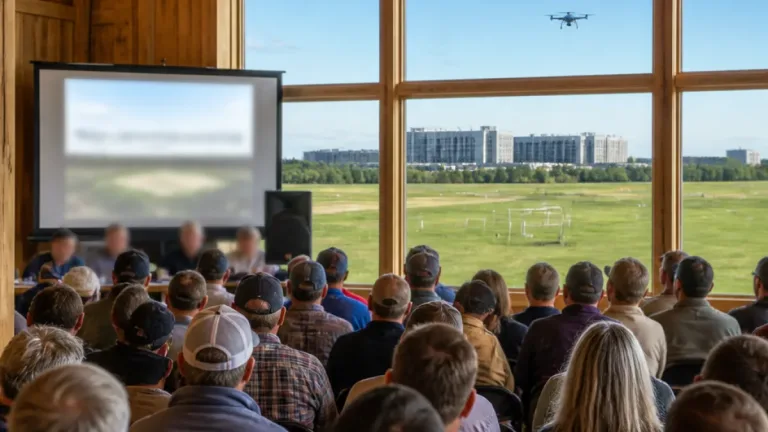
Training activity in Huangyan District of Taizhou City, Zhejiang Province, is taking place as the autumn harvest reaches a critical stage. Among the trainees is 63-year-old Wang Zhiliang, who is studying flight control, operating theory and maintenance as he works toward an operator’s license. The training is intended to help him use the aircraft more efficiently and precisely in rice cultivation.
Wang’s local cost comparison illustrates why farmers are considering the technology. Hiring two workers to spray approximately three hectares costs 450 yuan, according to the figures he provided, while drone application costs 280 yuan. Wang Haili, who heads a local drone technology company, said training a plant-protection drone operator costs about 3,000 yuan.
| Measure | Figure reported |
|---|---|
| Agricultural drones in China | More than 300,000 |
| Annual area of use | More than 30 million hectares |
| Manual-labor efficiency comparison | More than 20 times higher |
| Water consumption reduction | More than 50% |
| Pesticide-use reduction | 20–40% |
From spraying to transport
The aircraft are also being used for irrigation, fertilizer application and short-distance cargo work. Huang Ning, a farmer managing 13 hectares of melon crops in Yunnan Province, said drones can raise overall work efficiency by 40–50% during peak periods when farms face labor shortages.
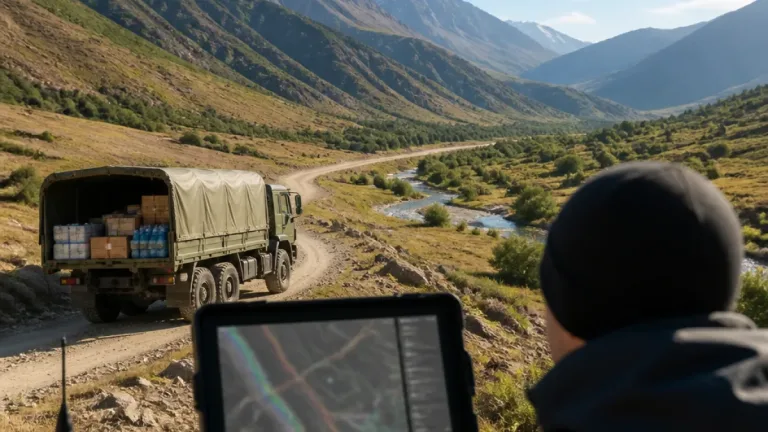
At a water-bamboo cooperative in Guan’ao Village, drones apply plant-protection products and fertilizer across 33 hectares per day. Jiang Liangzhen, the cooperative’s deputy director, said the approach saves 5,000–6,000 yuan per treatment and reduces annual labor costs by 30,000–40,000 yuan. In mountainous areas, drones are also being used to carry freshly harvested oranges down slopes, extending their role beyond field treatment.
Operators remain a constraint
Alongside the reported gains, the expansion is creating a need for more qualified pilots and clearer operating standards. Nie Pengcheng, director of the Department of Ecological and Environmental Planning at the New Rural Development Institute of Zhejiang University, identified the shortage of trained operators as a continuing challenge and said operating standards need to be improved.
- China’s reported agricultural-drone fleet exceeds 300,000 aircraft.
- Annual agricultural use covers more than 30 million hectares.
- Local examples include crop spraying, fertilizer application, irrigation and mountain transport.
The combination of large-scale deployment, lower reported application costs and operator training suggests that the technology is being integrated into ordinary farm management rather than limited to demonstrations. The figures also underline the importance of training and consistent operating criteria as drones take on more work across China’s agricultural regions.