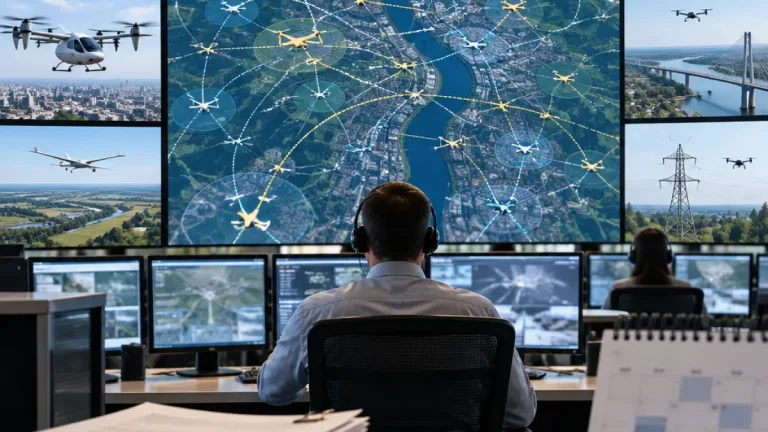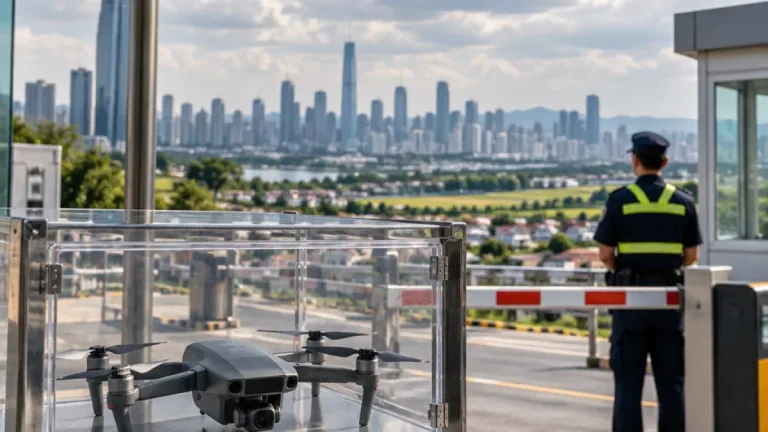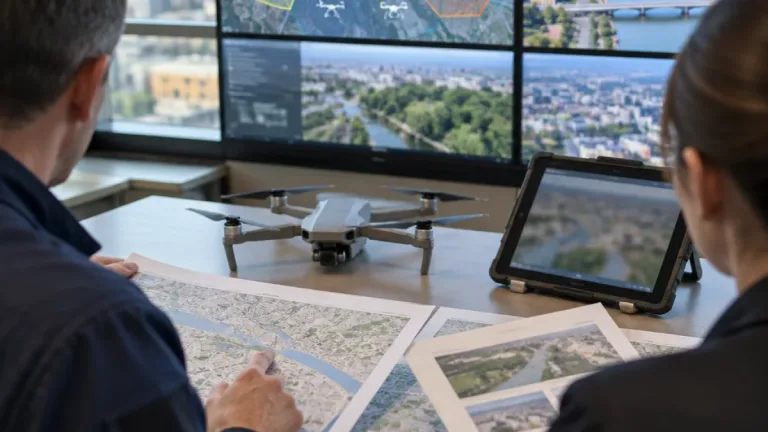
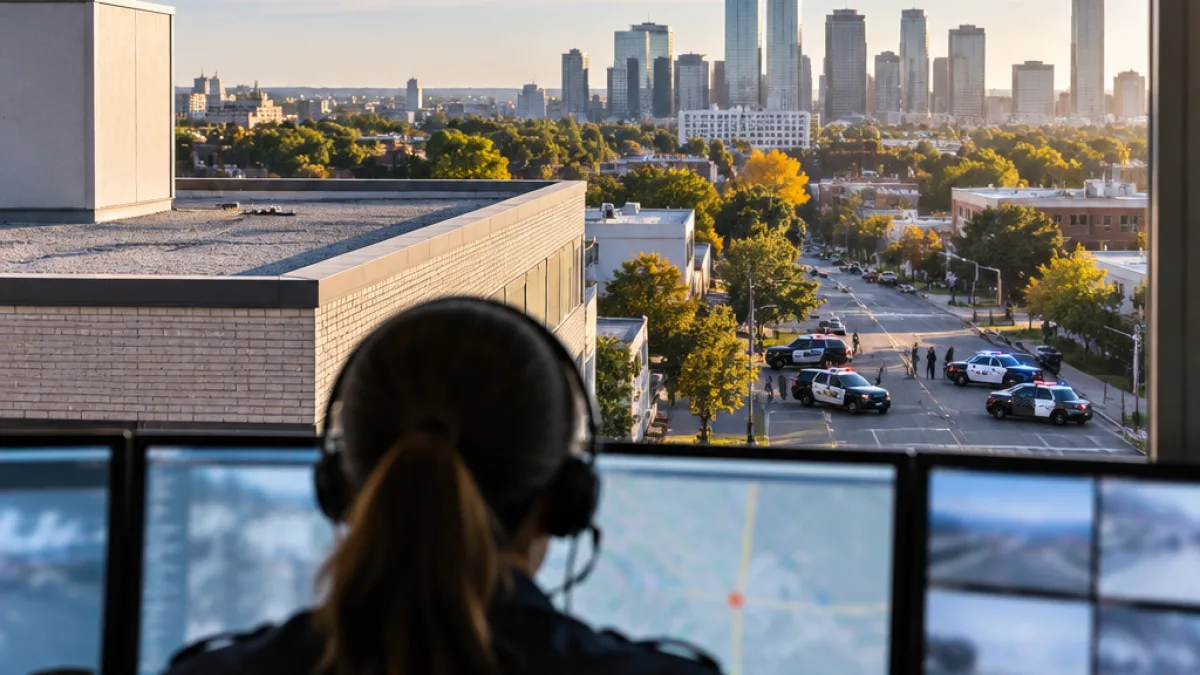
Police departments in a growing number of U.S. cities are deploying drones before patrol officers arrive at some 911 calls, using aircraft launched from nearby rooftops to provide dispatchers with overhead video and early information about an incident. Departments in Chula Vista, California, the Las Vegas Metropolitan Police Department and the NYPD are among the agencies turning to the model.
The approach is being presented as a way to reduce response times and provide additional coverage as police agencies face staffing shortages. A remote-controlled aircraft can reach a scene without sending an officer into an uncertain situation, but it cannot replace the functions of personnel on the ground. The expansion is also drawing concern from privacy advocates, who say airborne cameras are increasing public surveillance faster than state laws and local policies can adapt.
“It cannot make an arrest, secure a scene, or put hands on a patient.”
That assessment came from Brandon Henderson, a criminal defense attorney at HMW Law in Cleveland, Ohio, whose practice includes challenges involving police technology used as evidence. Henderson also said drones can “puts eyes on a scene faster without putting help there.” The distinction is central to the operating model: the aircraft can provide information to responding officers, but it does not itself resolve the emergency.
St. Louis launches aerial response unit
In St. Louis, Missouri, police adopted a new “Aerial Response Unit” earlier this month. The unit consists of two drones operated by department pilots and launched from pads on the roofs of the North and Central Patrol divisions. The aircraft are intended to respond to 911 calls and support ground units.
The program’s first flights took place within hours of its approval. During those initial operations, the drones assisted officers searching for a missing boy. While officers worked on the ground, the aircraft examined several locations the boy was known to visit or might have traveled to. A ground officer ultimately found him, and he was safely returned home.
“While officers searched on the ground, the drones checked several locations the boy was known to frequent or may have traveled to.”
The St. Louis Police Department said the aerial coverage allowed ground officers to search other locations while the drones examined areas from above. The department’s account describes the aircraft as an additional search resource rather than a substitute for officers responding in person.
Response speed versus surveillance limits
The programs now emerging across the country combine several capabilities that traditionally required an officer to reach the scene first:
- Rooftop launch: drones can be dispatched from a nearby police facility rather than transported by a patrol vehicle.
- Early overhead information: live video can give dispatchers and responding officers an aerial view within minutes.
- Additional coverage: aircraft can examine multiple locations while ground officers handle other parts of an emergency.
- Privacy oversight: persistent or wide-area aerial observation raises questions about how footage is collected, retained and used.
The use of drones for emergency response places police departments at the intersection of public safety and surveillance policy. Faster visual information may help agencies prioritize resources, particularly when staffing is limited. At the same time, the presence of an airborne camera over neighborhoods can affect people who are not involved in the original call.
The expansion of drone-first response programs therefore depends not only on launch infrastructure and trained pilots, but also on the policies governing when aircraft may be dispatched and how the resulting video is handled. The St. Louis rollout shows how quickly a department can move from approval to operational flights, while the concerns raised by privacy advocates indicate that oversight remains an essential part of the debate.