More than 600,000 drones are now being used in agricultural operations across more than 100 countries, according to figures highlighted at a recent conference held alongside EIMA, the international agricultural machinery exhibition in Bologna. The event examined how unmanned aircraft are being used in fields, as well as the rules governing data collection, spreading and spraying.
The figures presented at the “Drones in agriculture” conference estimate that agricultural drones saved 410 million tonnes of water and reduced carbon dioxide emissions by 51 million tonnes in 2025. The event was organized by Edagricole and Tecniche Nuove, with legal and industry speakers outlining both the potential benefits and the compliance requirements attached to farm operations.
A regulatory framework spread across several rules
Maria Flaminia De Capua, a lawyer who spoke at the conference, said agricultural drone use is not governed by one dedicated set of rules. Instead, operators must navigate a combination of European and national requirements covering areas such as privacy and access to airspace.
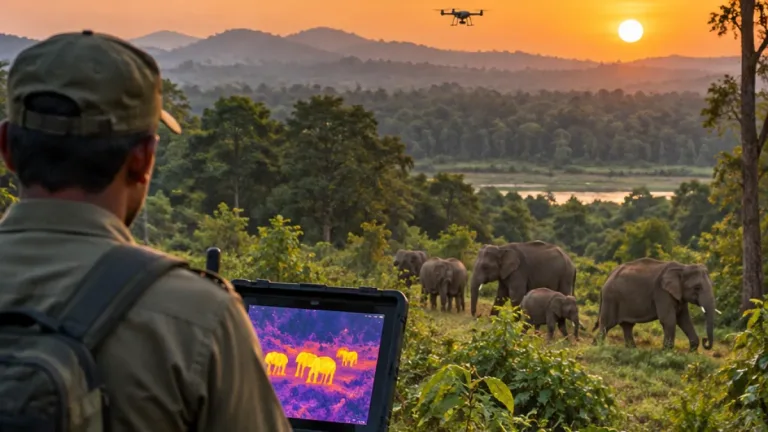
De Capua divided agricultural missions into two broad groups. Some flights collect information, including data used to assess crops and fields. Others carry out physical work, such as distributing seed or applying agricultural products. In Italy, the relevant aviation authority is ENAC, the Italian Civil Aviation Authority.
Under the framework described at the event, ENAC authorization is not required for operations in the Open category when they involve drones weighing up to 25 kilograms and fall within the category’s low-risk conditions. Other operating categories require authorization. The conference also emphasized that evaluating possible risks to people and property can be difficult, particularly when missions take place over working farms and near other activity.
“The European Union has provided pre-filled forms to make the process easier, and a kit containing a manual produced by ENAC, which issues the pilot certificate, has been developed to simplify the procedures as much as possible,” — Maria Flaminia De Capua
Applications range from spraying to field data
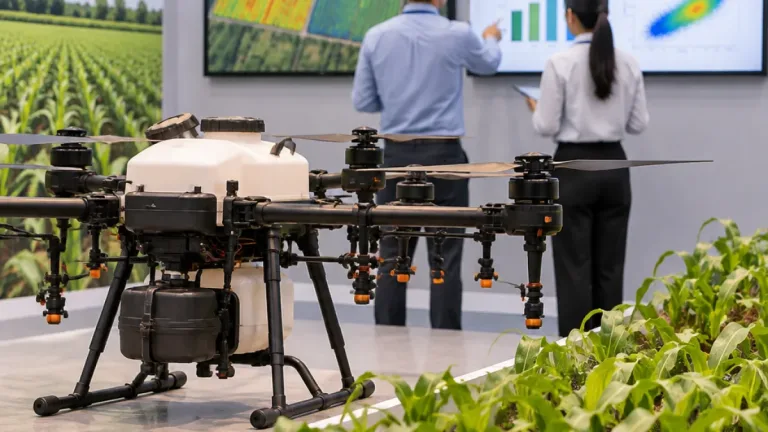
Ichem Iderrami, an engineer at DJI Agriculture Italia, presented farm examples involving agricultural drones introduced to the market between 2016 and 2026. The examples focused on performing operations at the right time, reducing crop damage, and combining aerial data with other farm information.
Iderrami said agricultural aircraft are available with different tank capacities for spreading materials and spraying. He also said some systems can cover one hectare in less than five minutes. That is a performance claim made during the conference and applies to the systems and operating conditions being discussed; it is not a universal measure for every agricultural drone or crop.
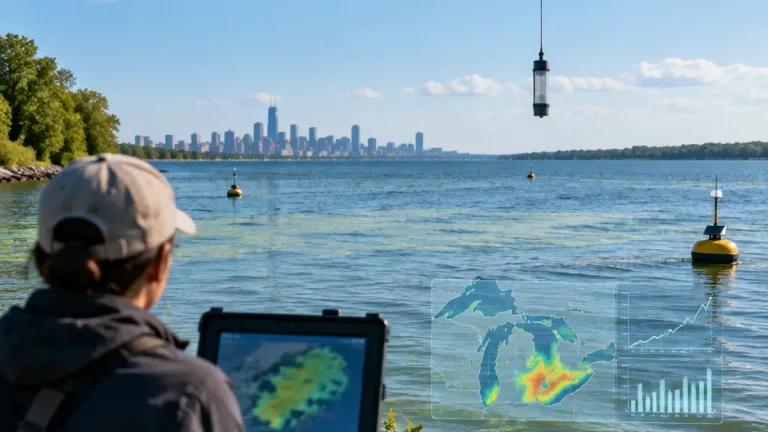
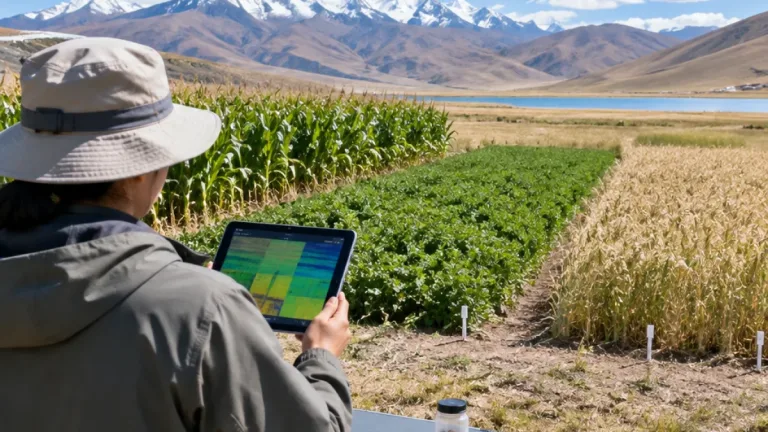
- Information-gathering flights can support crop and field data collection.
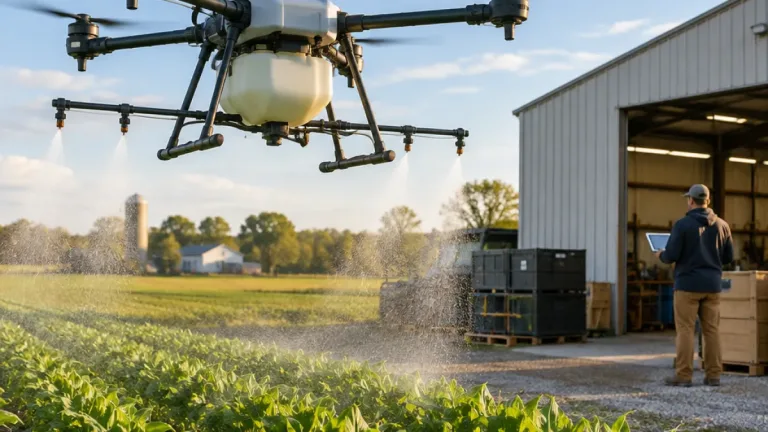
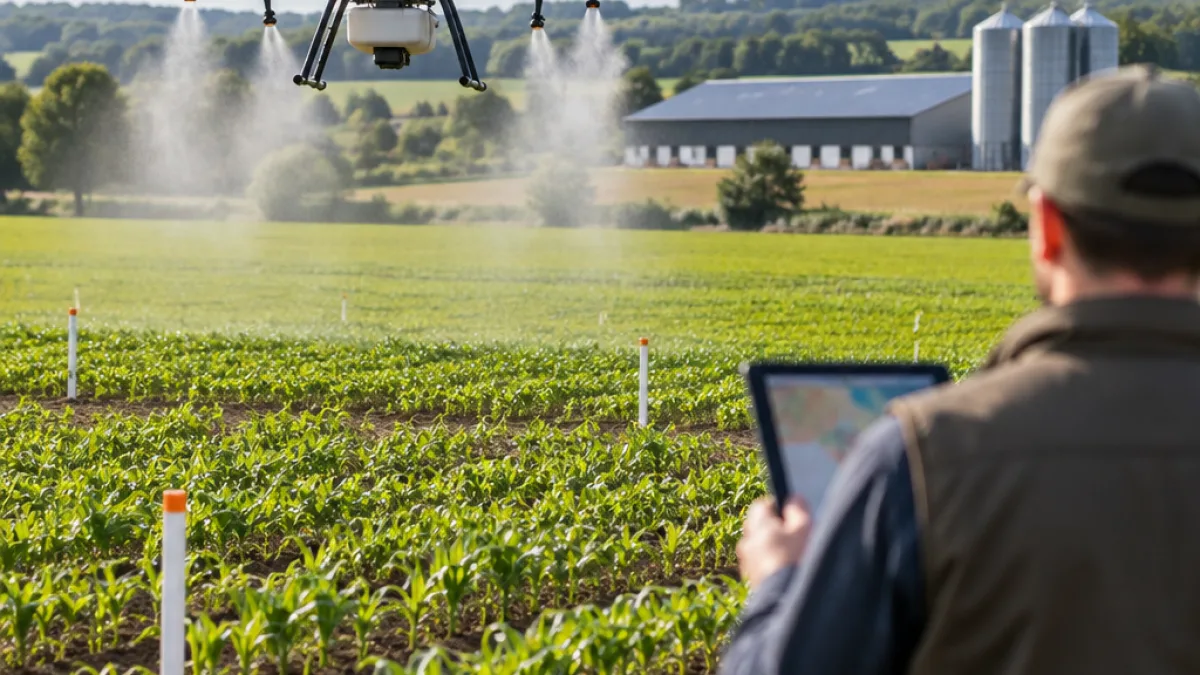
- Operational missions can spread seed or spray agricultural products.
- Speakers identified timing, flexibility, reduced crop damage and data integration as reported farm benefits.
The conference included case studies from Italy, including rice cultivation, although the published account ends while describing one of those examples. The cases nevertheless place the technology in the context of routine farm work rather than treating drones solely as surveying tools.
Adoption brings operational questions
The discussion illustrates why agricultural drone adoption depends on more than aircraft capability. Operators must determine which category applies, whether authorization is needed, how flights affect people and property, and what privacy obligations accompany the collection of farm imagery and other data.
For growers, the reported environmental figures and operational claims point to areas where drones are being evaluated: reducing water use, applying materials more selectively, avoiding contact with crops and collecting information that can be integrated into farm decisions. The conference’s legal discussion also makes clear that these benefits operate within an aviation framework that varies according to the mission and its assessed risk.